Last updated: November 02, 2026
Key Takeaways
- Plumbers usually go first because they diagnose the source before cleanup starts.
- Private-line blockages are typically a plumber’s job, not a city crew’s.
- Public-main problems belong to the municipality or sewer department.
- Restoration companies handle indoor sewage damage after the flow is stopped.
A sewage backup usually means calling a plumber first, then a restoration company if the indoor mess is more than a small spill, and the municipality if the blockage appears to be in the public sewer main. The topic here is Who to Call for a Sewage Backup: Plumber, Municipality, or Restoration Company, and the right sewage backup service provider depends on where the problem starts, who owns that pipe, and whether the contamination is inside the house or in the street. A plumber is often the first call because diagnosis comes before cleanup. A restoration company is the next call if sewage reached finished space. A municipality is the right call if the public main is involved.
If you are trying to decide fast, start with the pipe line, not the mess. A clogged toilet on one fixture points one way. Multiple drains backing up at once points another. If your question is really about why backups happen in the first place, the companion guide on [sewage backup causes] can help you sort the source before you call anyone.
The short answer: call the plumber first, then decide who else needs to join
The plumber wins first call for most backups because the first job is diagnosis, not cleanup. If the line is blocked inside the home or on the private side of the sewer connection, a plumber has the tools to find and clear the restriction. That usually means a drain cable, inspection camera, or main-line cleaning equipment, not mops and deodorizers.
That said, a plumber is not the whole answer. If sewage has entered finished rooms, soaked drywall, or spread under flooring, a restoration company is the right second call because contamination needs containment and sanitation. If the backup looks tied to the street side — for example, several homes on the block are affected, a manhole is overflowing, or the problem seems to be past the property line — the municipal sewer department or utility may be responsible for the main. The EPA notes that sanitary sewer overflows can discharge untreated wastewater into streets, yards, and buildings, so a public-system call matters when the pattern points outward. See the EPA’s sewer overflow guidance at https://www.epa.gov/npdes/sanitary-sewer-overflows-ssos.
A homeowner should think in layers: fix the line, document the loss, clean the contamination. That is why a sewage backup service provider is often a combination of companies, not a single truck.
Who handles the blocked main line?
The plumber handles the blocked main line when the clog is on the private side of the sewer connection. That is the part of the system serving the home before the municipal sewer main. In plain terms, if the blockage is in your lateral line or in the house’s drains, the municipality usually will not send a crew to clear it.
A good plumber is the right call when:
- Only one fixture is slow or backing up.
- The home’s lowest drains are gurgling.
- A toilet overflows when another fixture runs.
- Cleanout access is on the property and the blockage is reachable from there.
The limit is simple: a plumber can clear or repair private piping, but the plumber cannot assume responsibility for a public main that belongs to the city or sewer authority. If the line keeps backing up after the private side is opened and cleared, the next question is whether the municipal sewer is overloaded, cracked, root-filled, or obstructed.
This is where a property owner should ask for clarity in plain language: “Is the blockage in my line or the city’s main?” If the answer is unclear, the owner should consult a licensed plumber and, if needed, the sewer authority before assuming responsibility. That one question saves time and prevents two crews from guessing at the same problem. A well-run plumbing call should include a camera inspection or at least a clear explanation of why the blockage is believed to be on the homeowner’s side. The EPA’s homeowner guidance on septic and sewer issues also stresses knowing the system and the failure point before digging or repairing: https://www.epa.gov/septic.
When the municipality or sewer department is responsible
The municipality or sewer department is the right call when the public main appears to be the source. If the backup is not isolated to one house, or if the street infrastructure is the problem, the city or utility needs to know. Public systems vary by area, but the general rule is consistent: the municipality handles the main sewer line and related infrastructure in the public right-of-way, while the property owner handles the private lateral and everything inside the building.
Call the sewer department when you see signs like:
- Multiple properties affected at once
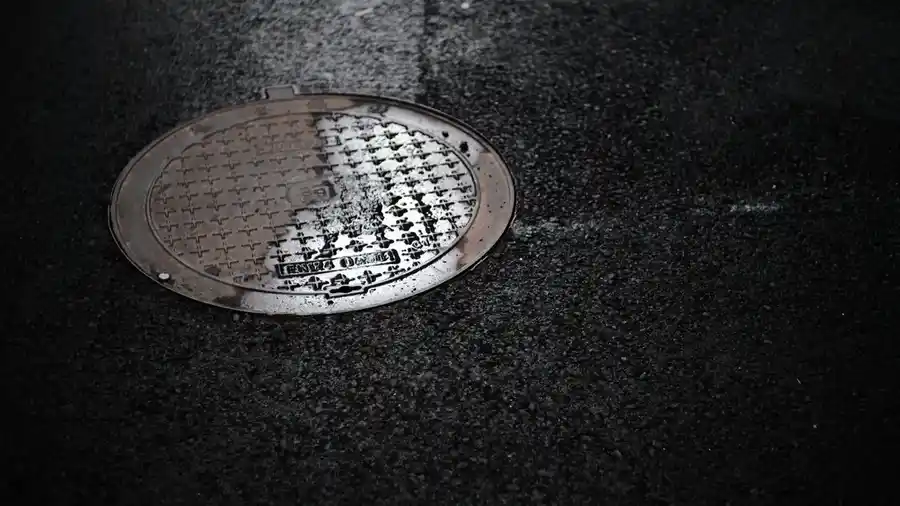
- Overflow at a street manhole
- Backup tied to heavy rain or an obvious system surcharge
- A plumber rules out the private line and points to the public main
This is one place where local conditions matter. Older neighborhoods, low-lying streets, and areas with combined sewer systems can act differently during storms than newer areas with separate storm and sanitary systems. Ground slope, tree roots, and aging clay or cast-iron lines can also change who gets called first and how fast the problem moves. The CDC notes that sewage exposure can create health risks in flooded areas, which is another reason to act fast when a neighborhood-wide sewer issue appears: https://www.cdc.gov/healthywater/emergency/flood/index.html.
The downside of calling the municipality first is delay if the issue is actually inside the property line. The downside of ignoring the municipality is missing a public-main problem that could keep sending sewage back into the home. A homeowner who wants a clean handoff should ask the plumber for the exact point of failure, then relay that to the sewer department if the private line is clear. The EPA’s combined sewer overview explains why storm surges and sewer overloads can affect multiple properties at once: https://www.epa.gov/npdes/combined-sewer-overflows-csos.
Who handles indoor contamination?
The restoration company handles indoor contamination when sewage has already entered living space. That company is the cleanup arm of the response. The plumber may stop the flow, but the restoration crew handles the contaminated materials, drying, cleaning, deodorizing, and removal of affected finishes that cannot be safely salvaged.
A restoration company is the stronger choice when:
- Sewage reached carpet, baseboard, drywall, or insulation
- The backup sat long enough to soak subfloor or framing
- There is a strong odor that remains after the line is cleared
- The affected area needs controlled demolition and sanitation
This is not a cosmetic cleanup. Raw sewage can carry pathogens, so the job is about containment and proper sanitation, not just making the room look better. A restoration company also helps document visible damage for the insurance claim, which matters when flooring, cabinets, or wall finishes need replacement. The CDC’s flood cleanup guidance also recommends protective steps around contaminated materials and proper cleanup after sewage exposure: https://www.cdc.gov/healthywater/emergency/flood/safe-cleanup.html.
The weakness of calling restoration first is obvious: if the line is still blocked, the mess can return. That is why the order matters. If the source is still active, consult a plumber first or at the same time as restoration, depending on how severe the backup is. Once the pipe is secure and the flow is under control, bring in restoration. If the backup is still active, a cleanup crew cannot safely solve a live plumbing problem.
For homeowners comparing the two, the rule is blunt: plumber for the cause, restoration company for the damage.
The honest side-by-side
The plumber wins for diagnosis and repair. The restoration company wins for contamination and cleanup. The municipality wins only when the public sewer main is the problem. Insurance is not the fix, but it should be notified early if the policy may cover sudden sewer damage.
| Criteria | Plumber | Restoration Company | Winner for the condition |
|---|---|---|---|
| Finds the cause of the backup | Yes, with drain tools and often a camera | No | Plumber when the source is unknown |
| Clears a blocked private line | Yes | No | Plumber for house-side blockage |
| Handles sewage on floors and walls | Not usually | Yes | Restoration company for indoor contamination |
| Determines whether the city main is involved | Sometimes, by ruling out the private line | No | Plumber for responsibility questions |
| Can document damage for a claim | Limited | Often yes, with photos and scope notes | Restoration company after the spill |
| Handles odor, drying, and demolition | No | Yes | Restoration company after cleanup starts |
| Responds to a single fixture backup | Yes | No | Plumber for isolated backups |
| Responds to repeated blockages after repair | Yes | Sometimes, if contamination remains | Plumber first, then restoration if needed |
| Fits a street-level sewer overflow | No | No | Municipality or sewer department |
| Protects against recontamination during cleanup | Only if the line is fixed | Yes | Restoration company once the source is stopped |
One practical note: most homeowners need both trades in sequence, not one or the other. The wrong choice is to hire only cleanup when the line is still blocked, or only plumbing when the carpet, drywall, and underlayment are already contaminated.
What to ask before anyone starts work
Ask three questions before work begins: where is the blockage, what exactly needs to be cleaned, and who owns the pipe at the failure point. Those three answers tell you whether you need one company, two companies, or a call to the sewer department.
A plumber should be able to answer whether the blockage is inside the home, in the private lateral, or likely beyond the property line. If the answer is vague, ask for a camera inspection or a clear explanation of the cleanout findings. A restoration company should tell you which materials are contaminated, what will be removed, and whether the area needs containment before demolition starts.
Insurance should also hear from you early if the policy may cover sewer backup damage. Reporting does not guarantee payment, and coverage language varies, but waiting can make documentation harder. If the insurer wants photographs, invoices, or a cleanup scope, collect them before tossing damaged items. If the loss is large enough to affect multiple rooms, a formal claim conversation is more useful than guessing at coverage from memory.
The bad outcome to watch for is overlap without coordination. If the plumber clears the line but does not document the condition of the cleanout, and the cleanup crew removes damaged finishes without photos, the homeowner can lose proof of what happened. A few minutes of documentation can matter more than another hour of scrubbing.
When the answer flips
The standard order changes in a few specific cases.
First, call the municipality first if several homes or units are backing up at once. That pattern points toward a public-main issue, especially if the street has a manhole overflow or the neighborhood is on a shared sewer branch.
Second, call restoration first only when the plumbing has already been stabilized but the contamination is extensive enough that the job is now about safe cleanup, not active flow. Even then, a plumber still needs to verify the line is no longer backing up.
Third, if the backup is limited to one toilet or sink and there is no sign of sewage spread into other rooms, a plumber may be the only call needed. A restoration company can be overkill for a contained fixture overflow with no porous-material contamination.
Fourth, if the home is under an insurance claim and the adjuster wants documentation before demolition, restoration should be engaged early because cleanup timing affects what can be photographed and what can be salvaged. That does not replace the plumber; it just changes the order.
The verdict: which one to choose and why
Choose the plumber if the backup is still active, the blockage is likely in the home’s private line, or you need the source diagnosed before anything else happens. Choose the restoration company if sewage has already spread into floors, walls, or insulation and the line has been stopped. Consult the municipality or sewer department if several nearby properties are affected and the public sewer main is clearly the problem. The EPA’s sewer overflow guidance can help confirm which system is being discussed: https://www.epa.gov/npdes/sanitary-sewer-overflows-ssos.
Should I call a plumber or restoration company first?
Call the plumber first. The plumber can stop the active backup, find the blockage, and tell you whether the failure is on the private side or in the public sewer main. Once the source is under control, a restoration company is the right next call if sewage reached porous materials like carpet, drywall, or insulation.
When is the city responsible for a sewer backup?
The city is usually responsible when the problem is in the public sewer main, not the homeowner’s private lateral. If several homes are affected, a manhole is overflowing, or a plumber rules out the private line, the sewer department should be notified. Local rules vary, so the utility or municipality should confirm responsibility for the exact point of failure.
Who fixes the pipe and who cleans the mess?
The plumber fixes the pipe, and the restoration company cleans the mess. A plumber handles the blockage, broken section, or failed connection that caused the backup. A restoration company handles sewage contamination, drying, odor control, and removal of damaged materials. If the public main is the cause, the municipality or sewer department handles the infrastructure side.
Drafted with AI; not yet reviewed by a person.