Last updated: October 21, 2026
If you need how to check a sewer cleanout for a backup, the safest quick check is to remove the cap, look for standing sewage or rising backup pressure, and stop there if the line is full. That one inspection point can tell you whether the main sewer line is likely the problem, without turning a small clog into a bigger mess.
Key takeaways
- A sewer cleanout is the access point that lets you inspect the main sewer line without cutting into pipe.
- A rising level at the cleanout usually means the blockage is downstream of that point, often in the main sewer line.
- A cap that is hard to remove, stuck under pressure, or leaking should not be forced open.
- A wrench, gloves, and a flashlight are the basic tools; a drill, pry bar, or hammer are the wrong ones.
- If sewage is already at the cleanout opening, the safe move is to stop the check and call a plumber.
What a sewer cleanout tells you
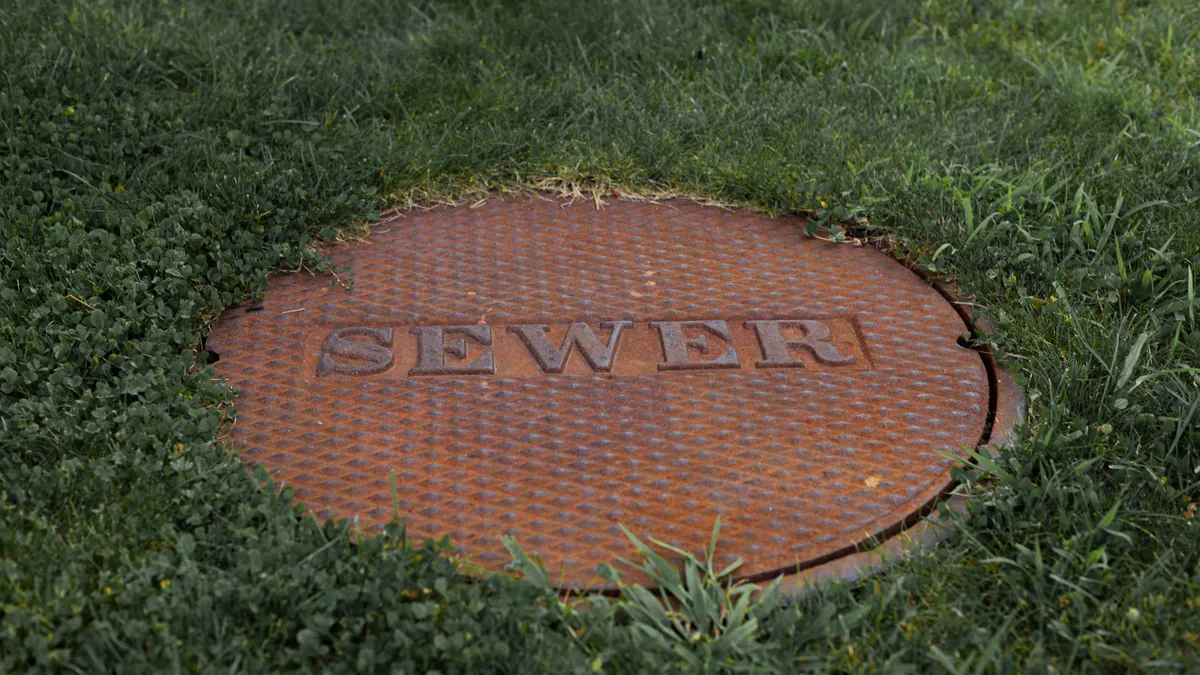
How to check a sewer cleanout for a backup starts with the right expectation: it tells you whether the main sewer line is carrying wastewater away or whether backup pressure is pushing it back toward the house. The cleanout is usually a capped fitting on the sewer line, often a 3-inch or 4-inch pipe, and it gives a direct look at flow conditions without opening a wall or floor.
This inspection point matters because it separates a local fixture clog from a larger line problem. If a toilet, tub, or floor drain is slow but the cleanout stays dry, the issue may be upstream of the cleanout, in a branch line or a single fixture trap. If the cleanout fills with sewage, the clog is farther out in the sewer line or at the connection to the municipal sewer, and the problem is not just one fixture.
A generic article usually misses that distinction and jumps straight to “call a plumber” or “use a snake.” That skips the useful part: the cleanout is the one place that can confirm a main-line backup before anyone starts forcing tools into a pipe. It also helps explain why the same symptom can mean two different jobs.
A good first check does not require a camera, a pump, or a costly service call. It requires a flashlight, a wrench that fits the cap, and enough space to stand clear while you crack the cap loose. The judgment comes from what is visible at the opening, not from how much pressure you can tolerate.
Find the cleanout before you open anything
How to check a sewer cleanout for a backup safely starts with finding the right cap before you touch it. The sewer cleanout is usually outside near the foundation, in a basement floor, in a utility room, or near the edge of a yard where the sewer line exits the house. Start by tracing the largest visible drain pipe you can find, then look for a capped fitting that is larger than a sink or tub drain line. In many homes the cap is black plastic, white PVC, or metal with a square or slotted head.
-
Walk the property and look near the foundation, utility wall, or basement floor drain area. You are looking for a pipe with a threaded cap, not an open grate or a vent. When you have the right spot, the fitting will usually stand out as a capped branch from the main sewer line.
-
Check for more than one cleanout. Some homes have an interior cleanout and an exterior one, or a vertical cleanout and a horizontal one. When you find the main one, it will often be on the line that runs directly toward the street or municipal connection.
-
Clear the area around the cap before touching it. Move debris, soil, mulch, or stored items at least 2 feet away so you can see what comes out if pressure is already present. A clear work area matters because a cleanout under a box or under wet leaves is easy to mis-handle.
-
Confirm the cap type before using any tool. A square-head plug takes a wrench; a round cap with a slot may need a large flat screwdriver or dedicated cleanout plug tool, but only if it turns easily. If the cap looks cracked, swollen, or fused to the pipe, stop and call a plumber instead of forcing it.
This step is often where people make the mistake that turns a check into a spill. They twist at the first resistance. A backed-up line can be under enough force to push sewage out the moment the cap breaks loose, and a stripped fitting can turn a simple inspection into a repair job.
How to open the cleanout cap safely
How to check a sewer cleanout for a backup without getting splashed means opening the cap slowly with a wrench and keeping your body out of the line of the opening. Stand to one side, not directly over the cap, because backup pressure can release suddenly when the seal breaks. Use a flashlight first so you know where the opening points and what is around it.
-
Put on gloves and eye protection. A pair of disposable nitrile gloves under work gloves is better than bare hands, especially if the cap is dirty or the area is damp. Eye protection matters because a splash from a 4-inch opening can reach your face.
-
Place the wrench on the cap and test it with light pressure only. A cleanout cap should start to turn without a long struggle. If it needs a pipe wrench, apply steady force rather than jerking. The goal is to feel whether it is sealed normally or locked by buildup.
-
Turn the cap just enough to break the seal, then pause. If you hear gurgling, smell strong sewage gas, or see liquid at the threads, stop turning and step back. That is a sign the line may be full and under backup pressure.
-
Remove the cap only after checking for movement in the opening. A dry opening with no rising level is one thing; a rising level is another. If the liquid climbs toward the top of the pipe, replace the cap loosely and call a plumber.
-
Keep the cap nearby and in good condition. A 3-inch or 4-inch cleanout cap is not a place for duct tape or a random plug after the check. If the cap threads are damaged, that fitting should be repaired before the line is put back into service.
Do not use a hammer, pry bar, or drill to “help” the cap. Those tools can crack PVC, deform cast iron fittings, or send the cap flying when the seal gives way. If the plug will not move with reasonable hand force and the right wrench, forcing it is the wrong move.
What the water level means at the cleanout
How to check a sewer cleanout for a backup depends on the water level, because the level tells you how serious the blockage is and where the backup is likely sitting. If the pipe is dry or only has a thin film at the bottom, the main line may still be open enough to drain. If the pipe is half full or more, the sewer line is backing up and the obstruction is downstream of that point.
A few quick readings matter more than a long look:
- Dry pipe: The main line may not be the problem. A slow drain at one fixture could still be a local clog.
- Standing liquid below the cap threads: There is likely some restriction in the line, but it may not be a full blockage yet.
- Liquid at or near the top of the cleanout: That is strong evidence of a main-line backup.
- Liquid pushing out when the cap is loosened: The line is under backup pressure and needs a plumber, not a home fix.
What matters is not just whether there is liquid, but whether it moves. A stagnant level below the cap threads suggests a partial clog. A rising level after you crack the cap suggests the line is not draining and is being fed by wastewater from somewhere else in the system.
A common mistake is assuming any liquid at the cleanout means disaster. That is too broad. A small amount of standing liquid can appear in a line that still drains slowly. The line becomes the concern when the level is high, rising, or associated with gurgling drains elsewhere in the house.
If the cleanout is outside and accessible, note the level in relation to the pipe opening. Even a rough visual check helps when you speak to a plumber. Saying “the cleanout was dry” or “the sewage was up to the threads” is much more useful than saying “it looked bad.”
For a broader look at why backups happen, the hub on sewage backup causes can help connect this reading to the likely source without repeating the same steps here.
Signs of blockage that point to the main sewer line
How to check a sewer cleanout for a backup becomes easier to interpret when you compare the opening with the rest of the house. The clearest sign of a main-line blockage is sewage at the cleanout combined with multiple slow fixtures inside the house. If more than one drain is affected at the same time, the problem is usually larger than a single sink trap or toilet flange. The cleanout gives you the confirmation point.
Look for these signs:
- Gurgling in tubs, showers, or toilets when another fixture drains.
- Wastewater appearing at the cleanout after one toilet flush or a long shower.
- Slow drainage across several fixtures on different floors.
- A sewage smell near the cleanout opening or yard access point.
- Repeated backup that returns after a short period of normal drainage.
The cost of ignoring this pattern is time. Pouring drain chemicals into one sink or snaking a single bathroom line does not solve a main sewer line blockage. It can also delay the right fix while more wastewater backs up into the lowest fixture.
The cleanout can also show the opposite: if it stays dry while one bathroom is slow, the problem may be in that branch, not the sewer line. That is useful because it keeps the diagnosis narrow. A plumber can still inspect the line, but the cleanout reading helps avoid chasing the wrong pipe.
Do not use the cleanout as a test point for home remedies like acid, lye, or pressure equipment unless you know the line is open and the fitting can handle it. Even then, this is not the place for guesswork. The opening is there to inspect and clear a line safely, not to improvise around a backup. For broader plumbing guidance, see the EPA’s sewer overflow information and the CDC’s sanitation guidance on avoiding wastewater exposure.
When not to force the cleanout or keep checking
How to check a sewer cleanout for a backup also means knowing when to stop. Do not force the cleanout if the cap is stuck, the pipe is cracked, or sewage starts rising as soon as the plug loosens. That is the point to stop and call a plumber. The risk is not just a mess; a damaged cleanout fitting can break completely, and a full line can discharge under backup pressure in seconds.
A plumber is the right next step when:
- The cap will not move with a proper wrench and steady hand pressure.
- Sewage is visible at the opening or pushes out when the cap is opened.
- The cleanout is inside and the area is already contaminated.
- The line backs up again after the cap is replaced loosely.
- The fitting is old cast iron, visibly corroded, or broken.
This is also the place to be honest about who this step is not for. If you are dealing with a floor-level cleanout in a finished basement, a cracked cap, or a line that is already overflowing, a cautious inspection is reasonable; a do-it-yourself fix is not. At that point, the job belongs to a plumber with the right cable machine or jetting equipment, and sometimes the line needs camera inspection as well.
One trade-off is that a careful cleanout check gives information, not a cure, so consult a professional if the reading points to a main-line problem. It can confirm a main-line problem without solving it. That is still useful, because it prevents wasted effort on the wrong drain and gives the plumber a cleaner starting point. For emergency overflow steps, check the EPA and CDC guidance before you touch contaminated water.
Record what you saw so the plumber gets a clear signal
How to check a sewer cleanout for a backup ends with a short record, not a long story. Write down the cleanout size, location, and liquid level before you call for service. A simple note like “outside rear cleanout, 4-inch PVC, liquid level at top of pipe, gurgling in downstairs tub” is enough to steer the conversation. Even a 30-second note can save a lot of back-and-forth.
The clearest details are:
- Where the cleanout is located: basement, side yard, front foundation, or utility room.
- What size or type it appears to be: 3-inch, 4-inch, PVC, cast iron.
- Whether the cap opened normally or resisted.
- How high the liquid was in the pipe.
- Whether multiple fixtures were affected.
If you can safely take a photo from a distance before closing the cap, that gives the plumber a visual reference. Do not keep the cap off just to watch the level change. The opening exists for inspection, not for monitoring a full backup.
This last step matters because the cleanout is often the only direct look at the sewer line before professional work starts. A clean, specific report beats a vague description every time. It tells the plumber whether the problem looks like a main-line blockage, a partial restriction, or something farther out toward the street connection.
Quick answers before you call
How to check a sewer cleanout for a backup is useful when you want to confirm whether a backup is in the main line without opening up the plumbing system. It is not useful if the line is already spilling sewage onto the floor or if the cap is damaged and won’t turn. In those cases, the safest move is to stop.
If the opening is dry, the blockage may be local. If the opening is full or rising, the sewer line likely needs professional clearing. That is the simple distinction this inspection is meant to make.
Where is the sewer cleanout usually located?
It is usually near the foundation, in a basement, in a utility area, or outside where the sewer line leaves the house. The cap is often on a 3-inch or 4-inch pipe and may be close to the main drain path toward the street. Look for a capped pipe, not a floor drain or vent.
What does water coming out of a cleanout mean?
It usually means the sewer line has backup pressure and is not draining normally. If liquid comes out when the cap is loosened, the blockage is likely in the main line or farther downstream. A small dampness is different from active flow, so the height and movement of the liquid matter.
Can I open a sewer cleanout myself?
Yes, if the cap is accessible, not damaged, and you can open it with a proper wrench without forcing it. Do not do it if sewage is already pushing out, the fitting is cracked, or the cap will not move with steady pressure. If any of those are true, a plumber is the safer choice.
Drafted with AI; not yet reviewed by a person.