Last updated: September 10, 2026
Key Takeaways
- A company that only sends a “drying” tech without a proper sewage protocol may leave hidden contamination behind.
- The inspection should identify where sewage traveled.
- Sewage cleanup is not “wipe and done.” It is remove, clean, dry, verify.
- If sewage reached hidden cavities, a cosmetic cleanup is the wrong answer.
Quick Answer: For sewage backup cleanup near me: what expect when you hire service, expect a same-day or next-day inspection, a written scope, and several days of drying if materials were soaked. The first visit usually focuses on stopping spread, removing contaminated material, and checking hidden areas. In many homes, the job takes 1–5 days for stabilization and 3–7 days if drying equipment is needed.
A sewage backup cleanup service should move fast on three fronts: stop the spread, remove contaminated material, and leave the place safe enough for repairs. If you are choosing who to call for sewage backup cleanup near me: what expect when you hire service, I would start with a company that handles extraction, cleaning, disinfection, and drying under one roof; that’s where delays and bad handoffs tend to pile up.
I write about home damage and contractor decisions, and sewage is one of the few cleanup jobs where the wrong call can turn a repair into a health problem. Honestly, the stakes are higher than most people expect. In flood-prone areas, homes with septic systems, or older houses with cast iron or clay laterals, the details matter even more. The CDC and EPA both advise careful cleanup after sewage exposure, especially when contaminated water reaches porous materials.
What a sewage backup cleanup service actually does first
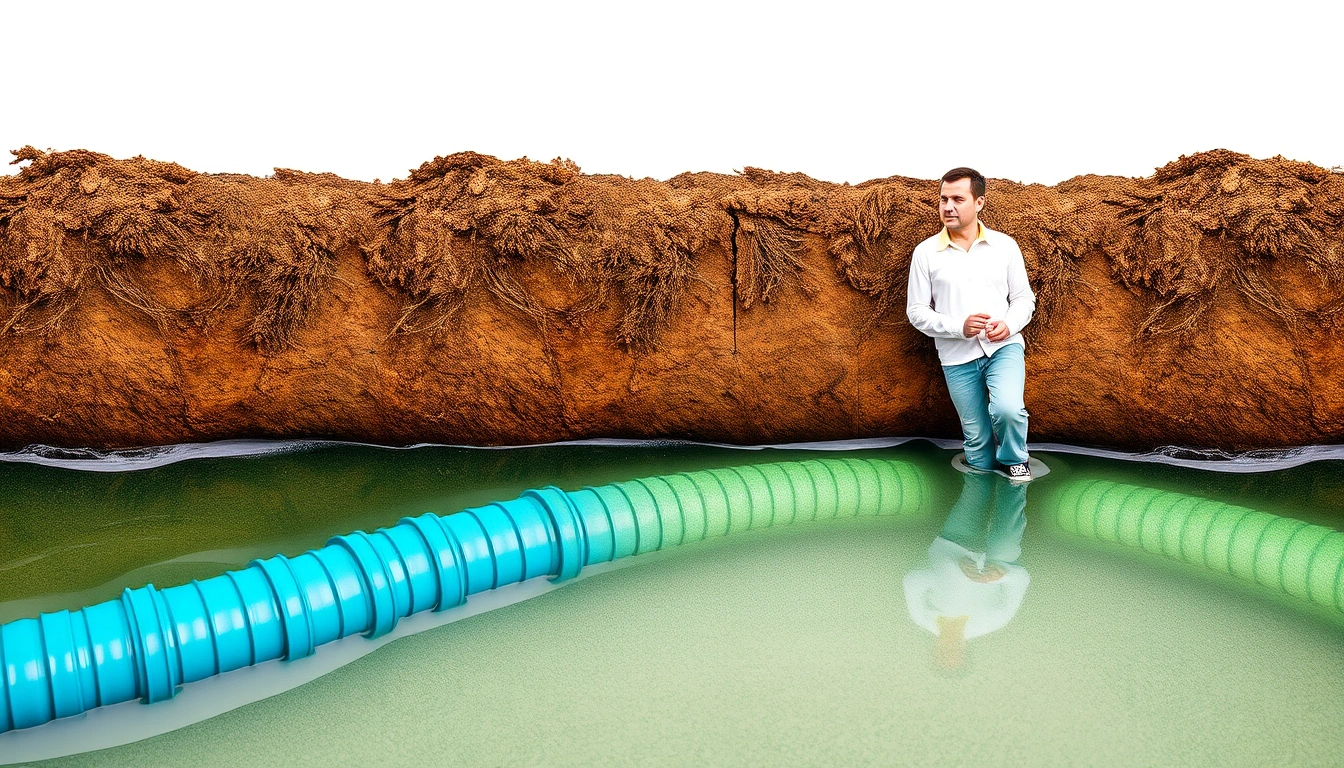
Usually, the work starts within hours, not days. First comes stabilization. Then the crew documents the damage, stops further spread, and sorts out what can be saved. A serious team should inspect the source, classify the contamination, and map affected rooms before any demolition begins. In the restoration trade, sewage is commonly treated as Category 3 water; consult a professional and refer to the IICRC S500 and EPA guidance if you are unsure how the site should be handled. That label is why the process is much more aggressive than a normal water leak. No shortcuts.
Expect containment, not just cleanup. Good crews use barriers, negative-air or filtration setups when needed, and personal protective equipment. They should remove porous materials that cannot be reliably cleaned, such as soaked carpet pad, some drywall, and insulation. Hard surfaces can often be cleaned and disinfected if exposure time was short and the material is non-porous, but that depends on the situation — not a blanket promise.
Speed is the weak spot. A company that only sends a “drying” tech without a proper sewage protocol may leave hidden contamination behind. That is the wrong choice if the backup reached floor cavities, HVAC returns, or a finished basement. And if the service cannot explain what it plans to discard versus disinfect, keep looking. For related planning, see water damage restoration, emergency plumber, and mold remediation.
How much does sewage backup cleanup cost, and what changes the price?
The short answer: the price depends on how much material has to come out, how far the sewage spread, and whether drying equipment is needed for several days. I would not trust any company that gives a real quote over the phone without asking for photos or a site visit, because sewage damage changes fast once trim, subfloor, and insulation are involved. For a typical homeowner claim, restoration costs often rise after the first 24 hours because demolition and drying expand quickly. That math stops working fast.
The biggest cost drivers are easy to name:
- Size of the affected area. One bathroom is not the same as a basement or whole first floor.
- Porous materials hit by sewage. Carpet, pad, drywall, insulation, and some wood products often need removal.
- Hidden damage. Crawl spaces, wall cavities, and under-cabinet areas add labor.
- Drying time and equipment. Air movers, dehumidifiers, and monitoring visits can add several days.
- Disposal and hauling. Contaminated debris must be handled as waste, not just household junk.
- Disinfection and post-clean checks. The more contaminated the space, the more labor is involved.
For a homeowner, “small” and “cheap” are not the same thing. A toilet overflow that stayed on tile for a short time is very different from a main-line backup that soaked a finished basement. If you have hardwood, particleboard cabinets, or insulated walls, the job becomes more invasive and more expensive because the service has to open more of the structure. In a 2023 survey from HomeServe, emergency plumbing calls often spiked during major storms, which is one reason prices can move quickly in affected neighborhoods.
I would be cautious with any quote that sounds unusually low and includes vague phrases like “sanitizing” without saying what is being removed. The downside of a bargain cleanup is often a second demolition later, after trapped contamination or moisture causes odor, mold, or warping. If you need a better comparison point, review the insurance claim process before authorizing major demolition.
Sewage backup cleanup near me: how do I choose the right company?
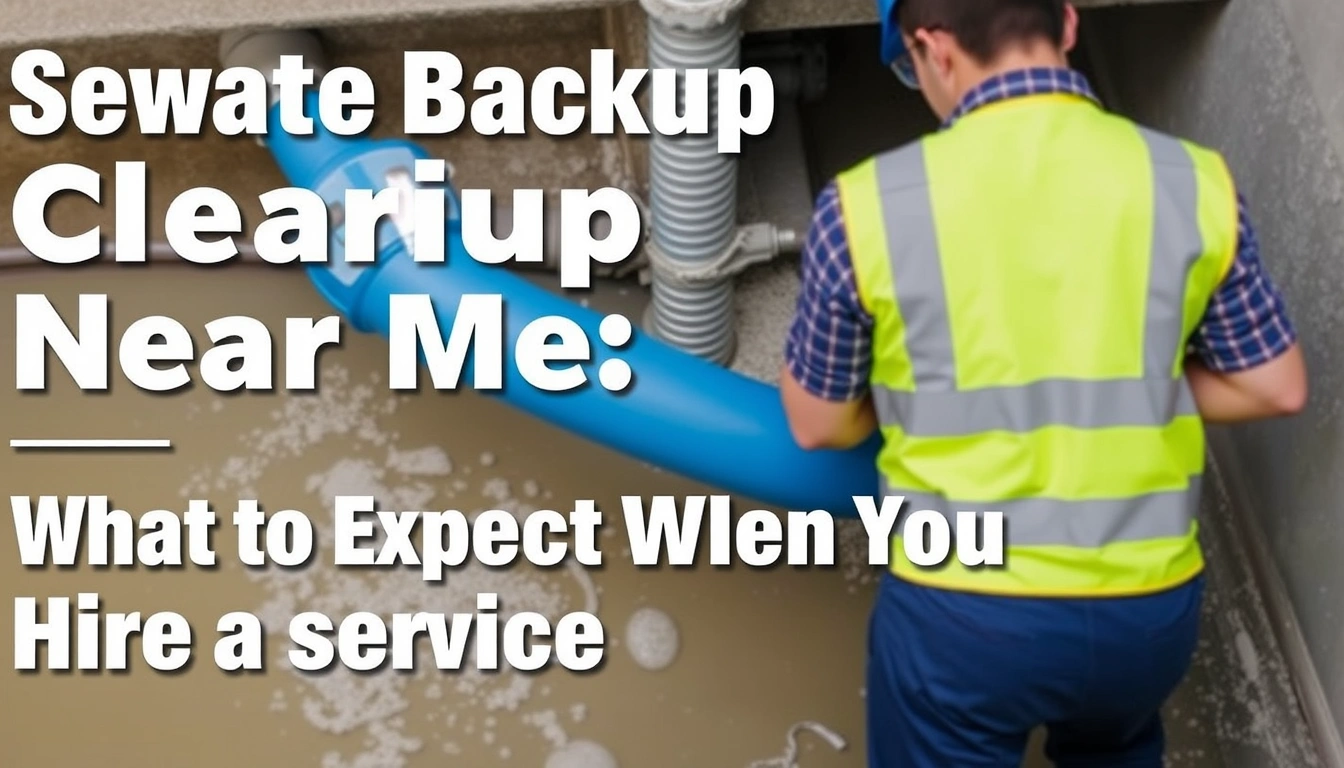
Choose the company that gives the clearest plan, not the slickest pitch. When you search “sewage backup cleanup near me,” you are really comparing response time, process, and whether the crew understands contaminated-water work. A local plumbing company may be strong on the cause of the backup, but not always the cleanup. A restoration contractor may be better on drying and demolition, but not always on diagnosing the line itself. A coordinated team can be the strongest option when both problems are happening at once.
Here is the side-by-side that matters:
| Criteria | Restoration cleanup company | Plumber only | Winner for [condition] |
|---|---|---|---|
| Source fix + cleanup | Often coordinates both, but may still subcontract plumbing | Strong at the line repair, weak at cleanup | Whole-home backup with damaged finishes |
| Containment and PPE | Usually part of the protocol | Often limited or not included | Category 3 sewage exposure |
| Removal of contaminated materials | Standard part of the job | Not usually the focus | Soaked carpet, drywall, insulation |
| Drying and dehumidification | Strong with meters and equipment | Usually not the main service | Basements, crawl spaces, wall cavities |
| Odor control | Usually addressed after removal and drying | May stop at the pipe repair | Lingering sewage odor |
| Insurance documentation | Often familiar with estimates and photos | Varies by contractor | Insurance claim in progress |
| Speed of line repair | May be slower if they need a plumber | Usually faster | Active backup still happening |
| Cost transparency | Better for end-to-end cleanup scope | Better for plumbing labor only | Simple stoppage with minimal damage |
| Best fit | Contaminated materials and drying | A clog or broken line without major spread | Narrow plumbing issue |
A restoration company wins if sewage has already left the bathroom or laundry room and soaked building materials. A plumber wins if the issue is clearly in the line and the damage is still limited to the fixture or drain area. If you choose only one, I would favor the restoration company when the word “cleanup” is doing the heavy lifting, because that is where health risk and hidden damage live. See also sewer line repair and biohazard cleanup.
The drawback on restoration firms is cost and scope creep. They may be better prepared, but they can also recommend more demolition than a plumber would. That is not automatically a bad thing; it only becomes a problem if the scope is poorly explained or unsupported by visible damage. That part matters.
What should be included in the service visit?
The right service visit should include a written scope, not just a crew arrival. At minimum, I would expect an inspection, source isolation, extraction, removal of unsalvageable materials, cleaning, disinfection, drying, and a plan for moisture monitoring. Skip one of those pieces, and you are buying a partial fix.
The inspection should identify where sewage traveled. That means looking beyond the obvious puddle. Under baseboards, behind vanities, inside toe-kicks, around vents, and into adjacent rooms are common hiding places. Moisture meters and visual checks are basic tools here; a provider that acts as if smell alone tells the full story is not doing enough. Not even close.
For the actual cleanup, ask what disinfectant they use, what material they remove automatically, and how they decide whether framing or subflooring stays. On non-porous surfaces, the work can often be cleaned, rinsed, and disinfected. On porous materials, cleaning is less reliable. This is where many generic articles get too casual. Sewage cleanup is not “wipe and done.” It is remove, clean, dry, verify.
A good company should also tell you what happens after the crew leaves. Some jobs require a return visit to confirm dryness before rebuild begins. If you are dealing with insurance, photo documentation and clear line items matter because adjusters need a defensible scope. If the company cannot explain that in plain language, I would not give it the job. For deeper standards, the IICRC and CDC sewage cleanup guidance are useful reference points.
What does a bad sewage cleanup look like?
A bad cleanup leaves you with a room that looks finished but still smells wrong or stays damp. That is the red flag I would take most seriously. Odor is not proof of contamination by itself, but a lingering sewage smell after cleanup usually means something was missed: trapped debris, saturated underlayment, wet insulation, or incomplete drying. Ugly, but true.
Other warning signs are easier to spot:
- The crew does not isolate the work area.
- They vacuum or mop without removing damaged porous materials.
- They cannot explain what was disinfected and what was discarded.
- They leave fans running but do not mention dehumidification or moisture readings.
- They rush to close walls before the framing is dry.
- They treat a Category 3 backup like a routine spill; consult a professional if you are unsure.
The practical consequence is simple. A sloppy job can leave you with odor, staining, warped flooring, or later mold growth. It can also complicate insurance, because missing documentation makes it harder to prove what happened and what was removed. I would rather see a contractor remove an extra foot of contaminated drywall than seal in a problem and hope for the best.
This is not the right service for someone who wants the cheapest possible fix or plans to repaint over the problem. If sewage reached hidden cavities, a cosmetic cleanup is the wrong answer. The EPA recommends removing porous materials that cannot be properly cleaned after sewage exposure.
When do I call a plumber instead of a cleanup crew?
Call a plumber first when the backup is active and the problem looks like a drain or sewer-line failure without much spread. A plumber wins for a simple stoppage, a toilet that will not clear, or a line issue caught early at the fixture. If sewage has overflowed onto flooring, soaked materials, or entered walls, I would call both — but I would put cleanup and containment on the schedule immediately.
This is where the decision flips. A plumber can clear the cause in minutes or hours. A cleanup crew can stabilize the damage but may not fix the line. If the backup is still happening, the cleanup company alone is not enough. If the line is fixed but the damage is contained to a small tiled area, a full restoration response may be more than you need. Sometimes the simpler route wins.
There is also a local factor. In older neighborhoods, tree-root intrusion, aging clay laterals, or sagging sewer lines can cause repeated backups. In homes with septic systems, tank level and drainfield condition change the whole picture. In flood-prone places, groundwater and storm surges can overwhelm sanitary lines or basement systems. The right contractor should ask where you live, what type of sewer connection you have, and whether this happened after heavy rain. For septic questions, see septic system service.
What questions should I ask before I hire?
Ask these questions before anyone starts tearing out material: how fast can you respond, what gets removed automatically, how do you document the damage, and who handles the plumbing repair if the line is still blocked. I would also ask whether they follow a sewage-specific protocol for Category 3 water and whether they coordinate directly with insurance.
A few more questions are worth the call:
- Do you provide a written scope before demolition?
- Will you measure moisture after drying starts?
- What surfaces can be cleaned, and which ones are always replaced?
- How do you handle disposal of contaminated debris?
- If odor returns, what is the follow-up process?
The best answer is not a script. It is a clear explanation tied to your actual room, not a generic promise. If the contractor keeps talking in broad assurances and never names the materials in your house, that is a warning.
What if my situation is unusual?
The verdict changes in a few cases. If sewage came up through floor drains after a storm and your area is still under flood cleanup conditions, I would prioritize a restoration crew with strong drying capability. If the backup is in a small bathroom with tile and no absorbed moisture, a plumber plus a lighter cleanup may be enough. If you have a septic system, call someone who understands septic failures, not just city sewer blockages. If the backup affected a crawl space, go with the company that can remove insulation and dry hidden framing, because that job is easy to underbid and hard to fix later.
Which should I choose?
Choose a restoration cleanup company if sewage reached carpet, drywall, insulation, crawl spaces, or more than one room. Choose a plumber first if the problem is still an active clog or a line failure and the damage is limited to the fixture area. Neither if the contractor will not name the contamination class, the removal plan, or the drying method, because that means you are being sold reassurance instead of cleanup.
Frequently asked questions
How long does sewage backup cleanup usually take?
The first stabilization visit is often same-day or next-day, but the full job can take several days if drying equipment is needed. The timeline depends on how much material was removed and whether wall cavities or subfloors were affected. For a single bathroom, cleanup may take 1–2 days; for a finished basement, 3–7 days is common.
Can I stay in the house during the cleanup?
Sometimes, but not always. If the backup is contained to one area and the crew can isolate it, you may be able to stay elsewhere in the home. If sewage reached multiple rooms, HVAC returns, or sleeping areas, I would take a more cautious approach and ask the contractor and your doctor if anyone in the home is high-risk.
Will insurance cover sewage cleanup?
It may, but coverage depends on the policy, the cause of the backup, and whether the problem came from sudden damage, a sewer line failure, or a maintenance issue. I would not assume coverage without checking the policy and calling the insurer promptly. Many claims are easier to document when photos and moisture readings are taken on day one.
Do I need mold remediation too?
Not automatically, but the risk rises fast if sewage and moisture remain in hidden areas for more than a short time. If the contractor finds lingering dampness in drywall, framing, or insulation, ask whether mold assessment or remediation is needed before rebuild starts.