Last updated: September 10, 2026
Key Takeaways
- Close the door and block the entrance for at least 1 hour while you assess.
- Keep at least 3 feet of clearance from wet surfaces.
- The U.S. Environmental Protection Agency and the CDC both treat raw sewage as a contamination hazard, not just a nuisance.
- There are a few situations where I would not treat this as a do-it-yourself cleanup; consult a professional if the backup is large, hidden, or involves vulnerable occupants.
Sewage backup is dangerous because it can send bacteria, viruses, parasites, and toxic gases into the rooms where you sleep, cook, and live. Short answer? Yes. If the spill is more than a tiny, clean-water mess, I treat it as a health-and-safety issue first and a cleanup issue second; when the scope is unclear, I want a professional to look at it.
Who this is for, and what I’m assuming you already know
This is for anyone dealing with wastewater that has pushed up through a toilet, floor drain, shower, or basement fixture — especially after a storm, sump failure, blocked main line, or plumbing backup. You probably already know the obvious part: sewage stinks and should not be handled bare-handed. What usually needs spelling out is the less obvious bit. How dangerous is it? How does exposure happen? Where’s the line between a manageable mess and a job for qualified help?
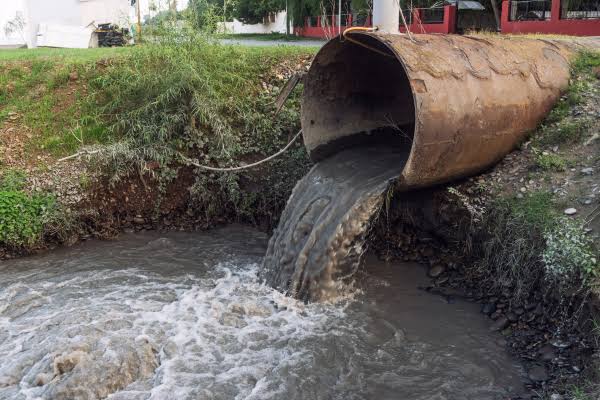
I’m also assuming this is a true sewage backup, not a clean-water leak. That distinction is the whole ballgame. Water from a supply line is one thing; water that has passed through a drain, sewer lateral, or toilet trap is another. The U.S. Environmental Protection Agency and the CDC both treat raw sewage as a contamination hazard, not just a nuisance. When the water is coming from a toilet, floor drain, or municipal sewer line, the safest move is to assume it’s contaminated until proven otherwise — and if you’re unsure, consult a professional.
There are a few situations where I would not treat this as a do-it-yourself cleanup. If the backup covers more than a small area, if it has reached heating ducts or electrical equipment, if the floor is damaged and porous, or if anyone in the home is very young, elderly, immunocompromised, or has open skin wounds, the risk climbs fast. In those cases, water-damage or environmental help is usually the better call; honestly, sometimes it’s the only sane one. Septic failure is the same story, because septic effluent can carry concentrated pathogens and strong gases.
The real question isn’t “is it gross?” It’s this: what exposure happened, how far did it spread, and who is living there? That’s the lens I use below.
Why sewage backup is a real health hazard
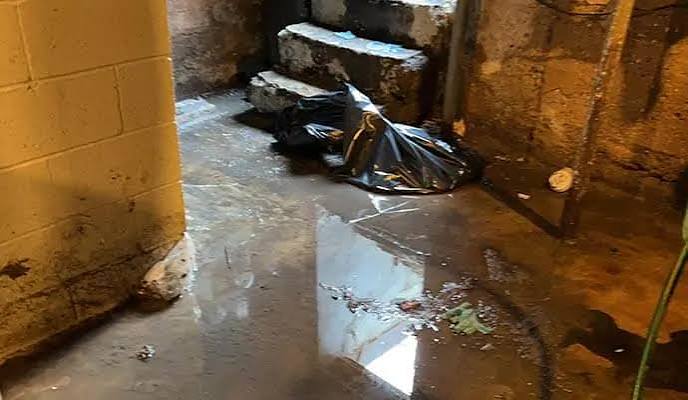
Sewage backup is dangerous because it can expose you to fecal contamination, aerosolized droplets, and gases that can irritate or injure you even before you touch anything wet. The smell is not the main issue. It’s what the smell comes with.
Raw sewage can contain enteric bacteria such as E. coli, Salmonella, and Shigella, viruses such as norovirus and hepatitis A, and parasites such as Giardia and Cryptosporidium. You do not have to swallow a cup of contaminated water for this to matter. Exposure can happen through the mouth, eyes, nose, broken skin, or by breathing in splashes and dried residue that later gets disturbed. The CDC’s flood cleanup guidance and EPA sanitation guidance both warn that sewage-contaminated water needs special care because it can carry disease-causing organisms.
Then there’s the gas issue. Sewer systems can contain hydrogen sulfide and methane. In a home backup, those gases are usually more of an irritation and odor problem than an acute poisoning event, but they can still make a basement unsafe, especially if the area is poorly ventilated. I would not send anyone into a closed, foul-smelling utility room with no airflow and no plan. If someone feels dizzy, nauseated, or short of breath, stop. Simple as that.
A generic article often downplays how quickly contamination spreads. One overflow can jump from a toilet bowl to floor grout, baseboards, under appliances, carpet padding, HVAC returns, and the bottoms of stored boxes in minutes. Porous materials are the trapdoor here. Drywall, particleboard, carpet pad, and unfinished wood can hold contamination long after the visible water is gone. So “it dried out” is not the same as “it’s safe.”
The other thing people miss is that the risk is not spread evenly. A splash to intact skin is not the same as kneeling in contaminated water with a cut on your hand. A child playing on the floor after cleanup is a different risk from an adult who never entered the room. I treat sewage like a layered hazard: contact, inhalation, and contamination of objects all matter, and the answer to “is sewage backup dangerous? health risks exposure basics” depends on all three.
How do you tell how dangerous the exposure was?
Four questions tell you most of what you need: what the source was, how long the sewage was present, what it touched, and who may have been exposed. That’s the quickest way to decide whether you’re dealing with a wipe-up or a broader contamination event.
Start with the source. A toilet overflow from a line backup is contaminated. So is a sink drain backup, though it’s usually less loaded than toilet waste. A basement floor drain backing up from the municipal sewer is contaminated. A sump pump discharge that has mixed with sewage is contaminated. I would not downgrade any of these because the water looked clear.
Next, look at time. If sewage sat for less than 1 hour and stayed on a sealed surface, the cleanup burden is usually lower than if it sat overnight and soaked into materials. Time matters because liquids migrate into seams, under thresholds, and into porous materials. The longer it sits, the more surfaces become affected. A few minutes of contact is not nothing, but a day-long backup changes the math fast.
Now map the materials. Nonporous surfaces such as glazed tile, sealed concrete, and some finished metal can often be cleaned and disinfected. Carpet, carpet pad, insulation, drywall, chipboard, and upholstered items are much harder to salvage. Porous materials can hold contamination even after visible drying. If sewage reached insulation or wall cavities, the issue is no longer just a surface cleanup.
Finally, think about people. Open cuts, skin conditions, recent surgery, asthma, pregnancy, and weakened immune systems all lower the margin of safety. The same backup can be tolerable for one adult and a poor idea for another person in the same house. Children are a special concern because they touch floors and then touch their faces. My rule is blunt: if you cannot keep the most vulnerable person away from the area for the entire cleanup and drying period, the job is too risky to improvise.
What should you do in the first hour after a sewage backup?
Isolate the area, stop the flow if you can do so safely, and keep people out for the first hour while you assess what was touched. That first hour is about limiting spread, not making the room look nice, and it is the best window to slow a sewage backup dangerous situation before it spreads.
- Stop the source if it is safe. Shut off the water supply to a fixture if the overflow is from that fixture, or stop using plumbing in the house if the main line is backing up. Verify that water is no longer entering the space. If sewage keeps rising, the problem is still active.
- Keep everyone out of the contaminated zone. Close the door and block the entrance for at least 1 hour while you assess. Verify that children and pets cannot enter. If someone has already tracked sewage into another room, that room now needs attention too.
- Ventilate without spreading aerosols. Open exterior windows if weather allows and run exhaust fans that vent outside, not recirculate. Verify that air is moving out of the room. If the fan blows toward living areas or HVAC returns, that makes spread worse.
- Cut power only if water is near outlets, cords, or appliances. Use the breaker, not a wet switch. Verify that the area is de-energized before entering. If the panel is in the affected space and you cannot reach it safely, stay out and call for help.
- Document the damage before removing anything. Take photos of the source, spread, and affected materials from at least 3 angles. Verify that you have a record for insurance or remediation. If the area is still active and unsafe, do not waste time on detailed photos.
- Remove clean items only if they have not been contaminated. Move dry, untouched belongings out of the room. Keep at least 3 feet of clearance from wet surfaces. If an item touched the sewage, treat it as contaminated until cleaned or discarded.
- Mark porous materials for removal. Note carpet, pad, drywall, insulation, and unfinished wood that were wet. Verify whether the wet line reached the base of the wall or under cabinets. If it did, hidden contamination is likely behind the surface.
- Wash hands and exposed skin immediately after leaving the area. Use soap and running water for at least 20 seconds. Verify that no visible residue remains. If sewage got into eyes, mouth, or an open cut, flush the area promptly and seek medical advice if symptoms develop.
What people get wrong here is trying to clean before they understand the spread. You can burn an hour wiping the floor while contamination keeps moving into drywall and under trim. The better first-hour goal is control, not perfection; that is why a sewage backup dangerous cleanup begins with containment.
Which materials can usually be cleaned, and which should be removed?
Nonporous, hard surfaces can often be cleaned and disinfected, while porous materials that absorbed sewage usually need removal. That split is the difference between a controllable cleanup and a hidden contamination problem.
Sealed tile, glazed ceramic, sealed concrete, metal, and some solid-surface counters are the easier surfaces. These can often be cleaned with detergent, rinsed, and then disinfected according to the product label. For household disinfectants, I would follow the label exactly, because contact time matters. Many labels specify a dwell time in the range of several minutes; the exact time depends on the product and the organism it is meant to kill. A surface that looks clean but was not held wet for the required time may not be disinfected.
Drywall is trickier. If sewage wicks into drywall, the lower section often needs to come out, commonly at least 12 inches above the visible water line, sometimes more if the material wicked upward. That is not a magic number for every building, but it is a practical rule used in many remediation jobs. Carpet and pad are similar: the pad often cannot be salvaged, and carpet may or may not be reusable depending on extent, material, and how fast cleanup begins. I would be cautious about reusing anything with a felt backing or thick padding.
Wood trim and baseboards sit in the middle. Finished trim can sometimes be cleaned if it was lightly splashed. Unfinished wood, swelling particleboard, and swollen MDF are poor candidates for salvage. Furniture is the same story: solid sealed wood is one thing; fabric cushions and raw wood are another.
Here’s the trade-off, and it’s a real one: cost versus certainty. Removal adds expense and mess, but it also removes hidden contamination. Trying to save every material often backfires later, especially with odor, mold, or recurring illness concerns. If sewage reached a wall cavity, under a cabinet, or into insulation, I would err on the side of removal and professional assessment rather than cosmetic cleanup.
When should you stop and get qualified help?
You should stop and get qualified help when the backup is large, hidden, or likely to have contaminated building materials beyond a simple wipe-up. At that point, the problem has moved past basic household cleanup.
The water is still rising or keeps returning after you mop: the blockage is active, which means more contamination is coming — stop using plumbing and call a plumber or sewer contractor.
Sewage has reached carpet padding, drywall, insulation, or subflooring: porous materials can hold contamination and odor — do not try to “clean through” them; get remediation advice.
Anyone in the home is immunocompromised, pregnant, very young, or elderly: the exposure margin is smaller — keep that person away from the area and use qualified help if there is any doubt.
The backup involves a basement with electrical equipment, furnace components, or a panel: water and electricity together create a shock risk — shut off power only if it can be done safely, then call a qualified pro.
You smell strong sewer gas, feel dizzy, or get headaches in the area: ventilation may not be enough, and gases can make the space unsafe — leave the area and address the source before returning.
The backup is from a septic system failure or the outside yard is saturated: the contamination source may be broader than the house plumbing — septic service or environmental assessment may be needed.
Visible mold appears within days after cleanup: moisture remained in the structure, which means the drying and removal plan was incomplete — stop DIY demolition and reassess.
These are not scare tactics. They are the points where the job changes from “clean a spill” to “manage contaminated building materials and hidden pathways.” Different skill set. Guessing costs more than admitting it.
What mistakes do people make with sewage backups?
People usually make the same five mistakes, and each one makes the cleanup less safe or more expensive. The fix is usually simple, but only if you catch it early.
-
They start with a broom or vacuum. That can aerosolize contamination or spread it to another room. The better move is to isolate, remove standing water with proper equipment, and avoid dry sweeping. A standard household vacuum is the wrong tool.
-
They keep walking through the area in street shoes. That tracks contamination into hallways, carpets, and cars. The better move is disposable shoe covers or dedicated boots left at the entry, plus a hard “no tracking” rule.
-
They assume bleach solves everything. Bleach is not a universal fix, and on some surfaces it can damage materials or fail if the surface was not cleaned first. The correct sequence is clean first, then disinfect according to the product label and material type.
-
They save wet porous items “to see if they dry.” This often leaves odor, residue, or mold behind. The better move is to decide quickly which materials are discard candidates, especially carpet pad, swollen drywall, and insulation.
-
They forget hidden paths. Water under baseboards, behind trim, or into wall cavities can keep spreading after the visible floor looks fine. That is why a sewage backup dangerous cleanup needs a careful inspection of edges, seams, and concealed spaces.
If you’re still choosing between DIY and help, compare visible damage with hidden risk. In many cases, the expensive mistakes come from trying to save materials that should have been removed.
How do you reduce the chance of getting sick after exposure?
Treat the event as contamination first, wash promptly, and watch for symptoms afterward. That matters because some effects show up hours or days later, not right away.
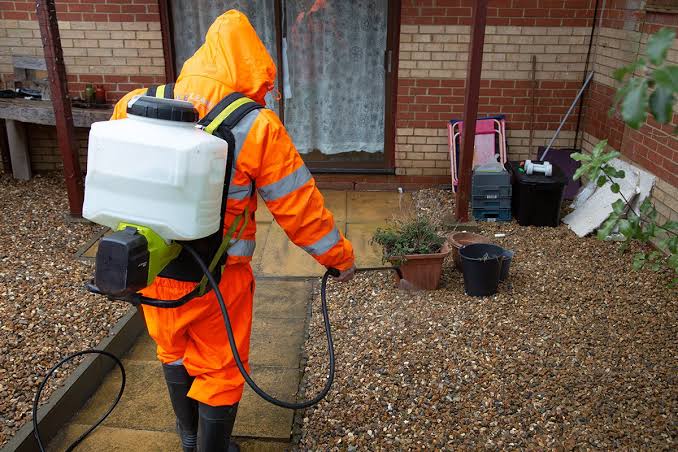
Start with decontamination. Wash hands, forearms, and any exposed skin with soap and running water. If clothing was splashed, remove it carefully and wash it separately in hot water if the fabric allows. If shoes were contaminated and cannot be cleaned, discard them. Do not eat, drink, or smoke until you have washed thoroughly.
Then clean the surfaces that can be cleaned. Nonporous surfaces should be washed, rinsed, and disinfected according to the product label. Let them dry fully before re-entry if possible. If a surface cannot be cleaned without driving contamination deeper, that is a removal candidate instead of a cleaning candidate.
After that, watch for symptoms. Stomach cramps, vomiting, diarrhea, fever, eye irritation, skin rash, or worsening cough can all matter after sewage exposure. Dizziness, headache, or nausea in a poorly ventilated area can also signal that the space is not safe. If symptoms appear, do not ignore the connection to the backup; tell a clinician about the exposure.
A sewage backup dangerous event is not only about what happened in the room. It is also about what you carried out on your hands, shoes, and clothing, and whether the area was truly cleaned rather than just dried.
Can sewage backup be prevented?
Sewage backup can often be reduced with maintenance, drainage control, and a few plumbing safeguards, even though no home is completely immune. Prevention is cheaper than cleanup, especially when hidden materials are at stake.
Keep drains, cleanouts, and sewer lines maintained. If the main line has a history of roots or blockages, schedule inspection before the next heavy rain or freeze-thaw cycle. In flood-prone areas, backwater valves, sump systems, and proper grading can reduce the chance that stormwater overwhelms the system. If you live in an older home, ask a plumber whether the sewer lateral has aging joints or sagging sections.
Inside the house, be careful with what goes down the drains. Wipes, grease, paper towels, feminine hygiene products, and food scraps can contribute to blockages. That advice sounds basic, but many backups start with ordinary habits rather than dramatic failures. Same with overloaded sump or drainage systems that were never sized for the current use.
If you have recurring issues, document them. Dates, weather, fixture use, and backup location help a plumber or insurer identify patterns. That record also helps you decide whether the problem is a one-off event or a recurring risk that needs a permanent fix.
Preventing a sewage backup dangerous situation is not glamorous, but it is far easier than cleaning a contaminated basement after the fact.
What should you remember before you go?
Remember this: sewage backup is a contamination problem, not just a mess. The health risk comes from what the water may contain, where it went, and who was exposed.
If the source is a toilet, sewer line, or floor drain, assume contamination until proven otherwise. If porous materials were wet, treat them cautiously. If the area is large, hidden, or connected to electrical or structural systems, get qualified help. If there is any doubt about the extent of the backup, consult a professional rather than guessing.
A sewage backup dangerous event is manageable when you contain it early and a lot harder when you try to clean blindly. The safest plan is to control spread, protect people, and decide quickly which materials are clean