Last updated: September 10, 2026
Key Takeaways
- Watch for odor, staining, swelling, or soft spots over the next 24 to 72 hours.
- You can find those guidance pages on EPA and CDC sites.
- The visible mess can be the smallest part of the problem.
- A bathroom can smell better while bacteria still linger in the seam below the toilet flange.
Raw sewage in a bathroom is not a minor inconvenience. If you are asking can you clean up sewage backup yourself or should you hire help, the real answer turns on how far it spread and what it soaked. If raw sewage came up through a toilet, floor drain, or shower, I would not treat it like an ordinary cleanup job. In many cases, you can handle the first-day containment and disposal yourself, but a true sewage backup often deserves professional help because the waste can carry pathogens, soak into porous materials, and keep contaminating a home after the visible mess is gone.
I write from the cleanup and home-maintenance side of this topic: what can be safely removed, what materials usually have to go, and where the line is between a bad mess and a job for licensed remediation. For can you clean up sewage backup yourself or should you hire help, the practical answer usually comes down to materials, moisture, and health risk. Simple enough. Not easy.
The short answer: clean it yourself only when the backup is small and contained
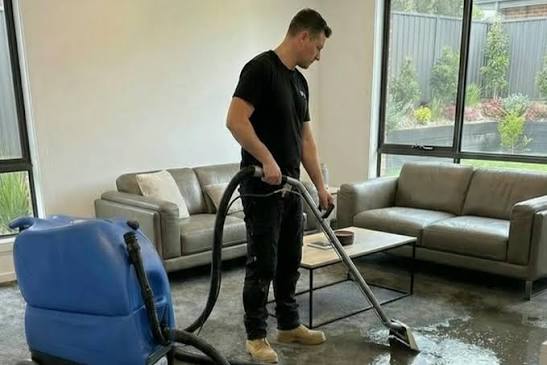
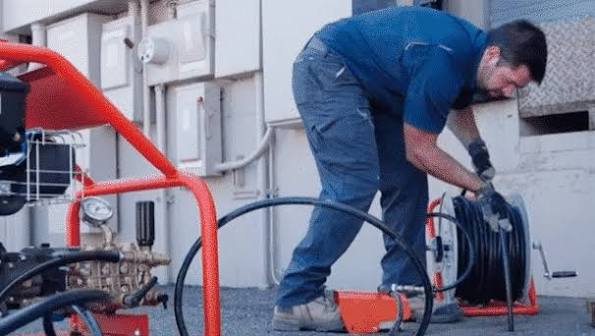
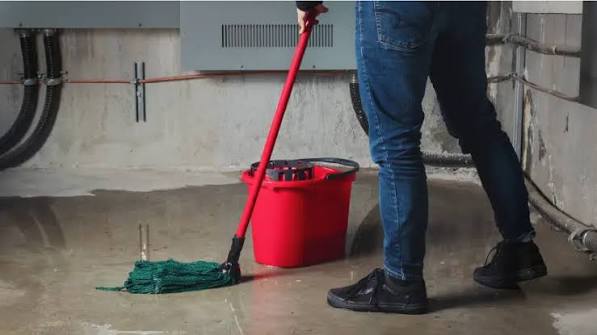
You can handle a sewage backup yourself only if it is minor, localized, and you can avoid direct contact with contaminated water. That means a small overflow that stayed on hard, nonporous surfaces such as glazed tile, sealed concrete, or vinyl, and did not spread into walls, subflooring, insulation, or HVAC.
If the backup touched carpet, drywall, baseboards, cabinets, or anything that absorbs moisture, I would strongly lean toward hiring help. Porous materials hold contamination even after the surface looks clean. The U.S. Environmental Protection Agency’s flood cleanup guidance and the CDC’s sewage cleanup guidance both treat sewage-contaminated porous materials as a serious cleanup issue, not a mop-and-bucket job. You can find those guidance pages on EPA and CDC sites. If you are still deciding can you clean up sewage backup yourself or should you hire help, those two sources are the best place to start.
And the decision is not really “Do I dislike mess enough to hire someone?” It is “Can I stop secondary contamination, dry the structure fast, and dispose of contaminated material without exposing my household?” If the answer is no, hire help.
A DIY cleanup also makes less sense if anyone in the home is pregnant, immunocompromised, elderly, or very young. Those are not minor details; they raise the cost of a mistake. On jobs like this, one shortcut can snowball fast.
What I would clean myself, and what I would not touch
I would clean it myself when the sewage is limited to a small area and the surface can be fully disinfected without opening walls or floors. Think a bathroom floor around a toilet overflow, a utility room with sealed concrete, or a hard-surface laundry room where the water never left the room. In that setting, the job is less about heroics and more about strict containment, ventilation, and disposal.
Here is the dividing line I use:
- DIY is reasonable for a small amount of backup on nonporous surfaces, with no visible damage to drywall, insulation, cabinets, or carpet.
- Hire help if the water sat for more than a short time, spread into seams or under flooring, or came from a main sewer line rather than a simple toilet overflow.
- Do not DIY if sewage entered the HVAC system, crawlspace, finished basement walls, or anywhere mold can follow the moisture.
The hard part is that sewage damage often travels farther than the puddle. Water wicks under vinyl flooring. It seeps into wall cavities. It sneaks behind trim. In plain terms, the stain on top can be the least of it.
I would also skip DIY if the backup is large enough that you need pumps, dehumidifiers, or demolition tools to finish the job. At that point, the question is no longer “Can I wipe this up?” It is “Can I remove contaminated material, dry the structure, and verify that hidden moisture is gone?” Most homeowners cannot do that thoroughly without specialty equipment.
One more practical warning: if you do not know the source, do not assume it is “just dirty water.” A plumbing failure lower in the system can push sewage back through multiple fixtures.
The honest side-by-side
Professional cleanup wins on anything beyond a tiny, isolated spill because it addresses the hidden parts of the problem: structural drying, containment, disposal, and documentation. DIY wins only when speed and surface cleaning are enough, and the material exposure is limited.
| Criteria | DIY cleanup | Hire a sewage cleanup pro | Winner for this condition |
|---|---|---|---|
| Contamination risk | Higher, because you are handling exposure directly | Lower, with PPE, containment, and procedures | Pro for any sewage beyond a small puddle |
| Porous materials | Often handled badly or left in place too long | Can remove carpet, pad, drywall, and damaged trim | Pro when carpet or drywall is wet |
| Speed to dry-out | Depends on your own equipment | Usually faster because of fans, dehumidifiers, and moisture checks | Pro when drying matters, which it usually does |
| Hidden damage detection | Easy to miss water under flooring or inside walls | More likely to inspect and open damaged areas | Pro for finished spaces and basements |
| Disposal of contaminated debris | You must bag, haul, and dispose correctly | Usually handled as part of the service | Pro for households that cannot manage disposal |
| Cost control | Potentially lower if the spill is very small | Higher upfront; check the current price with local firms | DIY for tiny, contained incidents only |
| Insurance paperwork | You keep your own records | Often easier to document with photos and scope notes | Pro for claims involving substantial damage |
| Health protection | Relies on your discipline and equipment | Better when the crew uses proper PPE and containment | Pro for homes with children, seniors, or immune risk |
| Best use case | Small, hard-surface overflow that never spread | Anything involving spread, saturation, or uncertainty | Depends on scope, not on preference |
The most misleading thing about DIY cleanup is that it can look finished before it is actually finished. A floor may dry on top while the underlayment stays wet. A bathroom can smell better while bacteria still linger in the seam below the toilet flange. That is why professionals are not just selling labor; they are selling reduction of hidden risk.
Hiring help has a downside, of course: it costs more, and not every service will explain what they are removing versus what they are sanitizing. If a company will not say which materials are being discarded, which are being dried, and how they are verifying moisture, I would keep looking.
When does a sewage backup stop being a DIY job?
It stops being a DIY job the moment the contamination gets into materials you cannot fully clean or fully dry. That is the cleanest rule I can give.
A professional is the better choice if any of these are true:
- The backup came from a main line, not a single fixture.
- Sewage reached carpet, pad, drywall, insulation, or particleboard.
- The water spread under flooring or into a hallway.
- The area stayed wet for more than a few hours.
- You smell sewage after the surface is wiped.
- A child, elderly adult, or medically vulnerable person lives in the home.
That is because sewage cleanup is partly sanitation and partly demolition. A lot of homeowners can handle sanitation. Far fewer can decide when removal is the safer answer.
I would also hire help after any backup that affects a finished basement or anything built below grade. Those spaces are notorious for hidden moisture and lingering odor. Once insulation or wall cavities are involved, cleanup becomes close to a restoration job.
If your local code or landlord rules require licensed remediation after sewage contamination, that settles it. I would not gamble with a cleanup that later fails inspection.
What a proper DIY cleanup actually looks like
DIY is only worth doing if you can follow a disciplined process. It is not “spray bleach and hope.” The goal is to remove contamination without spreading it.
A sensible order is:
- Keep people and pets out of the area.
- Ventilate the room if you can do so without spreading odor through the house.
- Wear gloves, eye protection, boots, and clothing you can wash hot or discard.
- Remove solid waste and contaminated disposable items.
- Clean hard surfaces with detergent first.
- Disinfect according to the product label and the surface type.
- Dry the area aggressively.
- Watch for odor, staining, swelling, or soft spots over the next 24 to 72 hours.
That last step matters. Sewage jobs can look clean on day one and still fail later if a hidden pocket stayed damp.
I would not recommend bleach as a universal fix. It can disinfect some hard surfaces, but it is not a complete answer on every material, and on some surfaces it can damage finishes or create unsafe fumes if mixed with other cleaners. Use the product label and follow it exactly. If you are not confident, that is another sign to bring in help.
If anything porous got contaminated and is small enough to throw away, bag it before it moves through the house. If something is too large to remove safely, that is usually a professional-removal problem, not a cleaning problem.
When hiring help is worth it, even if you could do part of it
Hiring help is worth it when your time, health, or the home’s structure matters more than saving the service call. That is the case for most sewage backups beyond a closet-sized incident.
Professional help makes the most sense when you need any of the following:
- Moisture meters or infrared inspection
- Removal of wet flooring, trim, drywall, or insulation
- Antimicrobial treatment beyond basic surface disinfection
- Odor control after contaminated materials are gone
- Documentation for insurance
- A faster return to a safe living space
The big advantage is not glamour. It is completeness. A restoration crew can often tell the difference between a floor that is dry and a floor assembly that is actually dry. That distinction is the whole job. Because of that, professional drying matters on jobs where water has entered seams or subfloors.
The downside is that not every “cleanup” company is equally careful. I would want plain answers about what they remove, what they disinfect, what they dry, and whether they are prepared to open concealed areas if needed. If they avoid those questions, keep shopping.
For anyone comparing bids, ask for the scope in writing and check current pricing with at least two local providers. Sewage cleanup is one of those services where the cheapest option can become the most expensive if it leaves contamination behind.
When the answer flips
The overall verdict changes in a few specific cases.
First, if the sewage backup is so small that it never touched porous materials and you can fully disinfect a hard floor, DIY can make sense. That is the main exception.
Second, if the home is vacant and the cleanup can wait for a scheduled crew, hiring help is the safer call because there is no pressure to rush.
Third, if the backup came with electrical concerns—standing water near outlets, appliances, or a breaker panel—stop and bring in a qualified professional. That is no longer just a sanitation problem.
Fourth, if the source is unclear or recurring, I would not spend time cleaning until a plumber finds the cause. Otherwise you may be cleaning the same contamination twice.
My verdict
Choose DIY if the sewage is a small, contained overflow on sealed hard surfaces and you can clean, disinfect, and dry it the same day without opening walls or removing flooring. Choose a professional if the water touched carpet, drywall, insulation, cabinets, subflooring, or any finished basement area. Neither if there is active electrical risk, widespread contamination, or you cannot tell where the backup spread.
FAQ
Can I just clean sewage backup with bleach?
No. Bleach is not a complete answer, and it is not the best first move on every surface. Clean first, then disinfect according to the product label, and avoid mixing chemicals.
How long can sewage sit before it becomes a bigger problem?
Very quickly. The longer contaminated water sits, the more likely it is to soak into flooring, wall materials, and hidden cavities. That is one reason many restoration standards treat rapid drying as urgent.
Do I need to throw away everything that got wet?
Not everything, but porous items that absorbed sewage are often not worth saving. Carpet pad, some drywall, particleboard, and insulation are common discard items after sewage exposure.
Can I stay in the house after a sewage backup?
Sometimes, but only if the affected area is isolated and cleaned properly. If the backup spread widely or contaminated sleeping areas, I would not assume the house is safe until the damaged materials are removed and the space is dry.
Should I call a plumber or a cleanup company first?
If sewage is still backing up, call a plumber first to stop the source. If the backup has already spread into building materials, you may need both a plumber and a cleanup company.
Sources and guidance
I would start with these authoritative references before making any cleanup decision:
- U.S. Environmental Protection Agency, flood cleanup and mold guidance: https://www.epa.gov/mold
- Centers for Disease Control and Prevention, sewage cleanup guidance: https://www.cdc.gov/disasters/floods/cleanup.html
- Occupational Safety and Health Administration, sanitation and worker protection guidance: https://www.osha.gov