Last updated: September 10, 2026
Key Takeaways
- Mark a working perimeter of at least 3 feet beyond visible contamination.
- A $10 or $20 item is not worth a skin exposure or eye splash.
- Put on inner gloves if you are double-gloving, then outer gloves that overlap the coverall sleeves by at least 2 inches.
- The inspection should take 5 to 10 minutes and happen before any wiping, pumping, or moving of contaminated items.
Sewage cleanup without proper gear is a bad bet. Gloves, eye protection, waterproof boots, disposable coveralls, and — when aerosol, splash, or dried residue is in play — a properly fitted respirator are the minimum. Ignore the outfit, and a small spill can turn into a medical mess.
Who this is for — and who should do something else
This applies to a homeowner, landlord, maintenance worker, or property manager facing a small sewage spill or backup on hard surfaces or limited porous material, with a clear path to clean, disinfect, and dry the area. I am assuming you already know the spill is sewage, not clean water, and that you can keep children, pets, and bystanders out of the area for several hours.
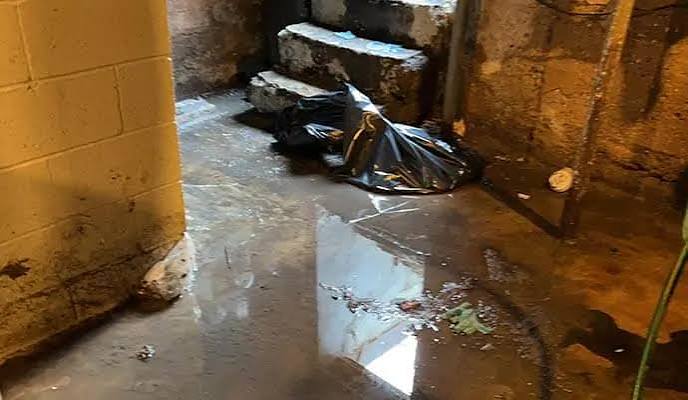
Also, I am assuming the source has stopped or can be isolated. When sewage is still flowing, the job is not “gear up and improvise”; it is “stop the source first,” and for an active backup you should consult a professional plumber or remediation contractor. Anything beyond a few square feet, contaminated insulation, a wall cavity, HVAC ducting, or sewage that has spread into drywall, carpet pad, or subflooring pushes this into contractor territory, not a weekend errand. Porous material is a sponge. It does not clean up like tile.
The same caution applies if the water came up through floor drains, a lift station, or a backed-up toilet and touched multiple rooms. Sewage aerosol can settle on surfaces you would never think to wipe, and that hidden residue is where people get sick later. The EPA and OSHA both treat sewage and other biohazard cleanup as a serious exposure issue, so if you are not sure the scene is contained, consult a professional.
If the job is small enough to do yourself, your goal is not to look prepared. It is to keep skin, eyes, mouth, and lungs away from splash, droplets, and dirty surfaces long enough to remove the waste, disinfect the area, and leave without taking anything home on your clothes or shoes. In practice, that is the point of protective gear for sewage cleanup: containment before contact. Simple. Not easy.
What protective gear do I need for sewage cleanup?
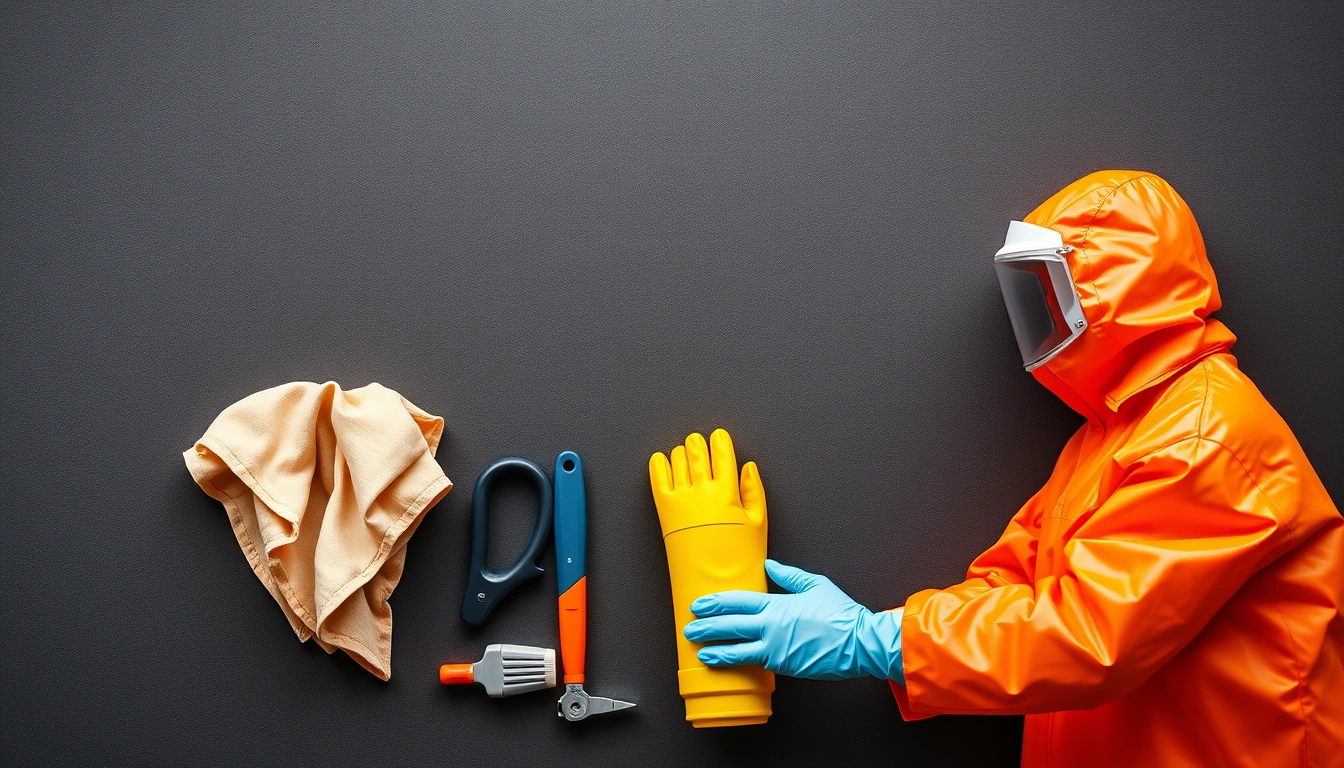
Five layers matter: hand protection, body protection, foot protection, eye/face protection, and breathing protection when splash or aerosol is possible. Protective gear for sewage cleanup starts with nitrile or neoprene gloves, waterproof boots, disposable coveralls with hood, sealed eye protection, and, in some situations, a fit-tested respirator with the right cartridges or filters.
Here is the practical standard I would use:
- Gloves: 2-ply nitrile or neoprene gloves that come up over the wrist; 8 mil or thicker is a common practical target. For longer jobs, use an inner glove plus an outer glove so you can strip off the top layer if it tears.
- Boots: Rubber or PVC boots that can be washed and disinfected, with pants legs taped or tucked so liquid cannot run inside.
- Coveralls: Disposable chemical-resistant coveralls, often labeled for splash protection, with a hood and elastic wrists/ankles. Tyvek-style garments help with droplets, but they are not magic waterproof armor. For wet sewage, choose a suit intended for liquid splash rather than dust.
- Eye protection: Sealed goggles, not open-frame glasses. A face shield can help, but I would not use it alone because it does not seal at the sides.
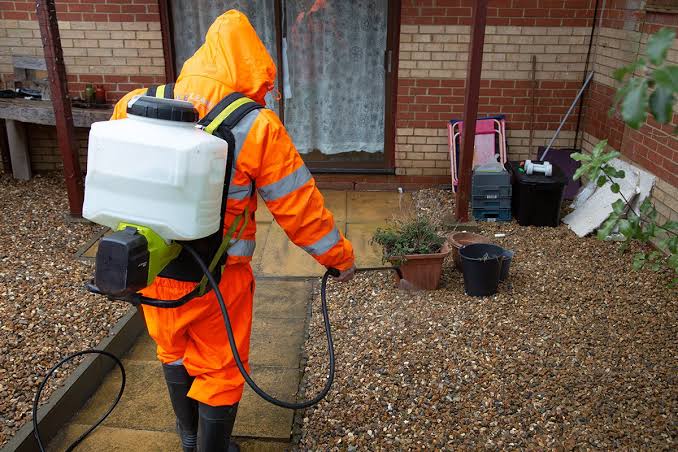
- Respiratory protection: A respirator is needed when cleaning dried sewage, working overhead, using a pressure sprayer, or anywhere aerosol is created. A P100 filter or an N95 may be part of the setup depending on the hazard, but sewage cleanup can involve more than particles; if gases or strong odors are present, a simple dust mask is the wrong tool.
What people miss is overlap. Gloves alone are not enough if your sleeves ride up. Boots alone are not enough if contaminated water runs down into the boot top. Goggles alone are not enough if you bend over a splash zone and inhale droplets. Honestly, I would take a modest set worn correctly over pricey gear worn badly.
A plain rubber dish glove is the wrong choice. So is a painter’s coverall with no hood. So is safety glasses without a seal when you are spraying or scraping. Protective gear for sewage cleanup is about blocking all routes of exposure, not just one.
How should you put the gear on and take it off?
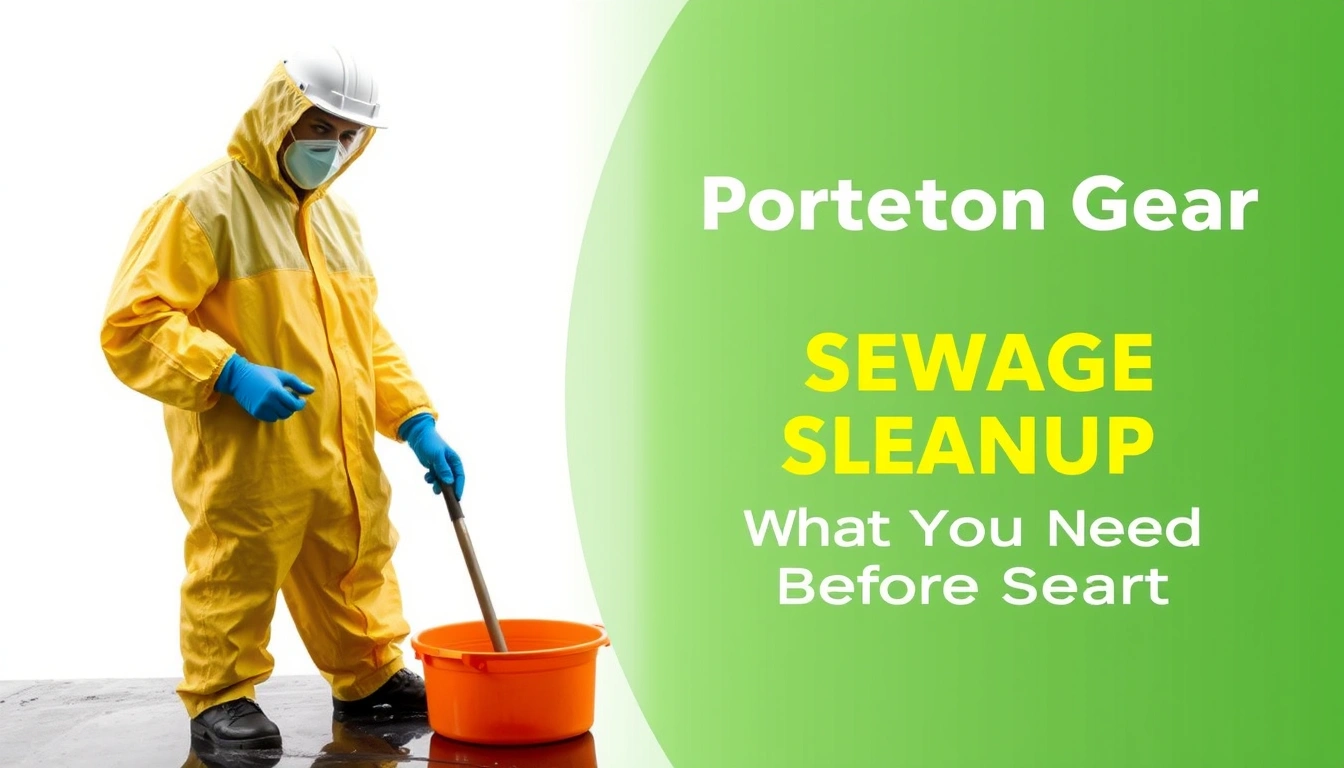
Put the gear on in a fixed order, check every seal, and remove it in a way that keeps the dirty surface away from your skin and face. A clean sequence matters because most self-contamination happens during removal, not while scrubbing.
- Inspect the area and decide the zone. Mark a working perimeter of at least 3 feet beyond visible contamination. Verify where the splash line ends, where standing liquid sits, and where dry residue begins. If contamination runs under cabinets, into wall edges, or into HVAC openings, stop and reassess. Hidden spread means the gear plan is no longer enough.
- Put on the base layer first. Wear long pants and a long-sleeve shirt under disposable coveralls. Make sure cuffs are snug at the wrist and ankle. Verify there is no exposed skin at the forearm or lower leg. If the coveralls ride up when you bend, they are too small or poorly fastened.
- Dress the feet before entering the zone. Put on waterproof boots with slip-resistant soles. Tape or tuck the coverall legs over the boot tops so runoff cannot enter. Verify the tape holds while walking and kneeling. If the tape peels or the pant leg gaps open, change the fit before starting.
- Seal the hands. Put on inner gloves if you are double-gloving, then outer gloves that overlap the coverall sleeves by at least 2 inches. Verify you can flex your fingers without ripping the cuff. If the glove cuff pulls back when you reach forward, use a longer glove or a sleeve with thumb loops.
- Protect the eyes and face. Fit sealed goggles snugly before any wiping or pouring begins. Add a face shield if you expect splatter from a bucket, sprayer, or brush. Verify there is no gap at the bridge of the nose or temple. Fogging or a crooked seal means the fit is wrong.
- Add respiratory protection when the task can aerosolize material. Put on the respirator before agitation, scrubbing, or pressure spraying. Follow the maker’s fit instructions and check that it seals against the face. If facial hair breaks the seal, the respirator will not perform as intended. That is not a minor issue.
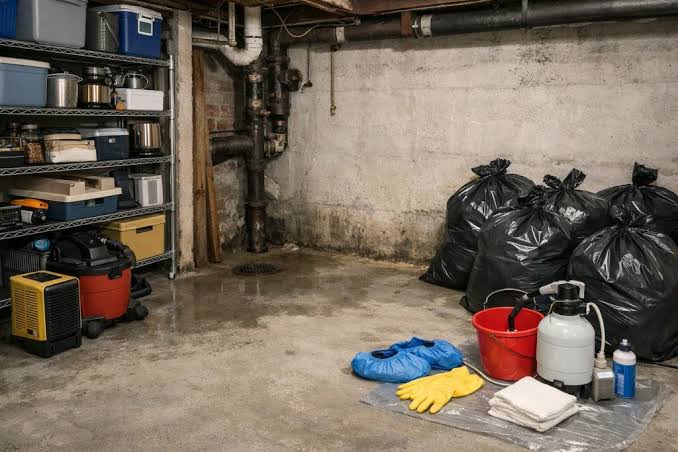
- Prepare a removal point before you start. Keep a trash bag, disinfectant wipes, and a clean exit path just outside the work area. Remove outer gloves first, then coveralls, then eye protection, then respirator, then inner gloves, touching only clean surfaces. Verify your hands never contact the contaminated exterior. If you touch the outside of the suit or glove with bare skin, stop and wash immediately.
The order above is not theater. It keeps the dirtiest surfaces furthest from your skin and mucous membranes. I would also keep a dedicated wash station nearby with soap, clean water, and disposable towels. A bottle of sanitizer is not a substitute for washing after sewage exposure; soap and water remove material, while sanitizer is a backup after visible soil is gone.
What do I check before I start cleanup?
I check whether the gear matches the contamination, because sewage cleanup fails when people dress for a stain instead of a biohazard. The inspection should take 5 to 10 minutes and happen before any wiping, pumping, or moving of contaminated items.
Start with the source. A toilet overflow with only a small spread on sealed flooring calls for less than a main sewer backup that sat for hours. The longer sewage sits, the more aerosol, odor, and residue you have. That math stops working fast.
Then look at the material under your feet. Tile and sealed vinyl can usually be cleaned more safely than carpet, pad, pressed wood, or unfinished concrete. Porous surfaces trap contamination, and that changes both the cleaning method and the gear. A boot you can rinse is useful on hard flooring; it will not solve contaminated carpet.
Third, check each item for integrity. Gloves should not have pinholes or thin spots. Goggles should seal without gaps. Coveralls should not be torn at the crotch, knees, or elbows. Boots should have no splits in the sole or seam. If any component fails a quick check, replace it before stepping into the zone. One tear in a glove is enough to expose skin to contaminated liquid, so protective gear for sewage cleanup is only as good as its weakest seam.
Fourth, think about airflow and spray. A wet vacuum, hose, pump, or pressure sprayer can fling droplets farther than a cloth wipe. If that is part of the job, eye protection becomes mandatory in my judgment, and respiratory protection moves from optional to necessary. Dried residue also becomes airborne when scrubbed or swept, which is why dry sweeping is the wrong first move.
Finally, decide whether your setup includes a disposal plan. Used gloves, towels, and disposable coveralls need to go into a sealed trash bag. If your local rules treat sewage-contaminated waste differently, consult a professional or local authority and follow those rules. Cleanup is not done when the floor looks clean; it is done when contaminated material has been removed and the area can dry without spreading residue.
When should I stop and call for help?
Stop when the scene is bigger, deeper, or dirtier than personal protective gear can reasonably control. That is not caution for its own sake; it is the point where cleanup becomes structural or occupational work.
Sewage has reached wall cavities, insulation, or subflooring: the contamination is no longer on the surface — stop and bring in a remediation company. Hidden material can keep feeding odor, mold, and bacterial contamination after the floor looks fine.
The spill came from a main line or basement backup and spread beyond one room: the volume is likely too large for basic household gear — stop and get qualified cleanup help. More spread means more splash, more waste, and more chance of missed contamination.
You smell strong sewer gas or suspect methane buildup: the problem may involve a ventilation or gas hazard, not just dirty water — leave the area and contact the utility or emergency services as appropriate. A respirator does not make an explosive atmosphere safe.
You need to use a pressure washer indoors or in a confined space: that will aerosolize contaminated material — stop and choose a different method or a professional team. Pressure turns contamination into droplets that travel farther than people expect.
You have open cuts, dermatitis, or a weakened immune system: your exposure risk is higher — do not do the cleanup yourself. Even with gear, a compromised barrier makes the job poor risk management.
The sewage contact includes a septic tank failure, medical waste, or floodwater mixed with sewage: the contamination profile is more complex — stop and escalate. Different waste streams can change the disinfection and disposal requirements.
If the only thing you have is a box of gloves and a strong stomach, that is not enough for a real sewage cleanup. The next step may be temporary containment, ventilation, and then a professional remediation call.
Common sewage-cleanup gear mistakes I would avoid
I would avoid six mistakes because each one creates a specific failure. None of them is theoretical.
-
Using thin exam gloves instead of chemical-resistant gloves. They tear when you grab wet debris or sharp broken material. The fix is nitrile or neoprene gloves with enough thickness and cuff length to cover the wrist.
-
Relying on open safety glasses. A side splash gets under the lens and into the eye, which is exactly how conjunctival exposure happens. The fix is sealed goggles, with a face shield added if you are pouring, brushing, or moving liquid.
-
Wearing disposable coveralls with no hood. Neck and hair contamination are easy to miss, and dirty sleeves ride up while you work. The fix is a hooded suit and, if needed, tape at the wrists and ankles.
-
Putting pants over boots instead of sealing the overlap. Liquid runs down the leg and into the boot top, then sits against skin. The fix is to tape or otherwise seal the pant-to-boot junction.
-
Removing gear in the wrong order. People often peel off the suit first and then touch the contaminated outside with bare hands. The fix is a planned doffing sequence and a trash bag ready before the first wipe begins.
-
Skipping respiratory protection during dry cleanup. Dried sewage residue can become airborne when swept, scrubbed, or vacuumed. The fix is to avoid dry sweeping and use respirator protection when aerosol or dust is likely.
A common mistake that looks small but matters is reusing single-use items “just this once.” If a glove, suit, or mask is meant to be disposable, I would not push it beyond its intended use. A $10 or $20 item is not worth a skin exposure or eye splash.
What about small spills, septic systems, or homes with limited gear?
Small spills can sometimes be handled with a simpler setup, but only if the contamination is truly limited and the surface is nonporous. A few drops on sealed tile are not the same as a backed-up toilet that sat for 2 hours. The difference is the amount of splash, the amount of residue, and whether the waste soaked into anything.
For a very small, fresh spill on hard flooring, I would still want gloves, boots or shoe covers, goggles, and disposable coveralls. If there is no agitation, no spray, and no dried residue, a respirator may not be necessary. The moment you start scrubbing dried material, using a wet vac, or handling a large area, I would move respiratory protection back into the plan.
If you live in a home with a septic system, a backup may point to a system failure, not just a clogged toilet. That changes the job. Cleaning up the floor does not fix the source, and repeated backups are a sign to stop and address the septic issue before more contamination enters the home.