Last updated: October 22, 2026
Key Takeaways
- Early signs include slow drains, bubbling toilets, odd odors, and multiple fixtures acting up together.
- Slow drains often point to narrowing in the main sewer line.
- Toilet bubbling or burping while another drain runs can signal air movement in the system.
- Gurgling usually means trapped air or changing pressure in the pipe.
A sewer backup warning sign is often a small change long before any overflow appears: a toilet that needs a second flush, a drain that clears slowly, or a basement drain that starts to smell like sewer gas. Catching those clues early matters because the problem usually builds inside the pipe before it shows up on the floor. This guide to Sewer Backup Warning Signs Homeowners Miss Before the Overflow Starts focuses on the early clues homeowners can actually notice.
The early warning signs that matter most
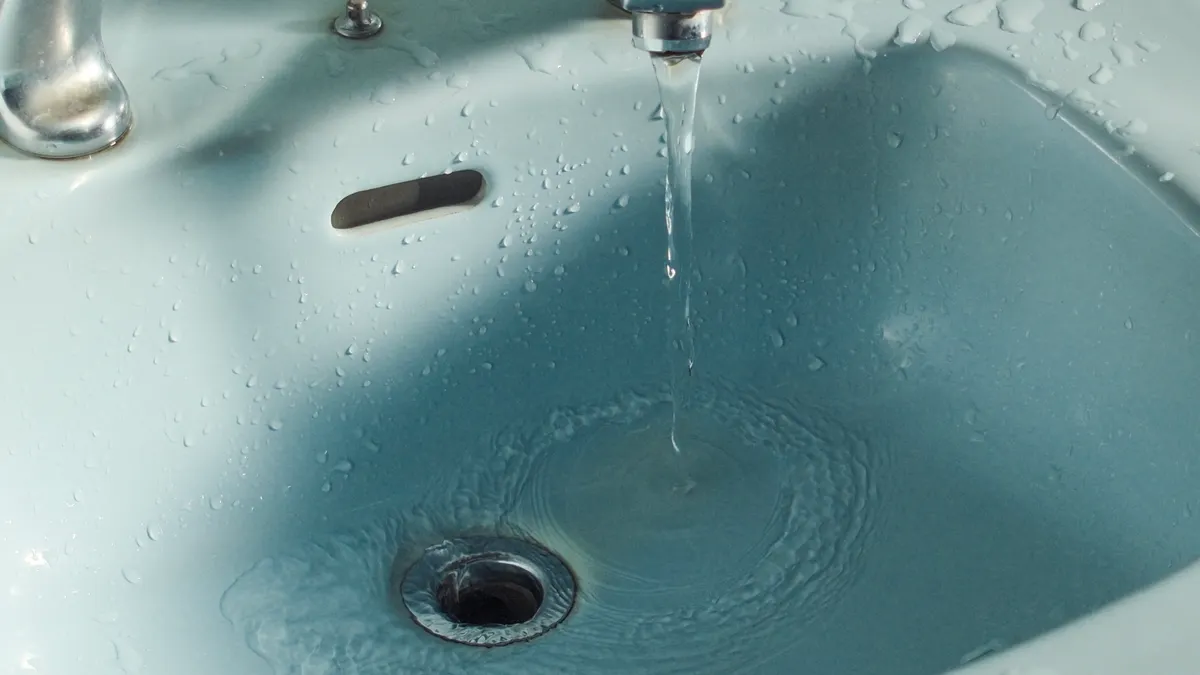
The earliest sewer backup warning signs are slow drains, bubbling toilets, odd odors, and multiple fixtures acting up at the same time. Those are the clues that deserve attention before there is standing waste or a wet basement floor.
A single sink that drains slowly can be a local clog. A toilet that gurgles when a tub empties points to pressure changes in the system. A basement drain that smells sour or sulfur-like is another clue, especially if the odor appears after flushing or laundry use. The important pattern is not one symptom by itself, but a cluster that starts repeating over a day or two.
Think in terms of change, not drama. If a bathroom used to clear in a few seconds and now takes 20 or 30 seconds, that is a real shift. If the toilet bowl water level sits lower or higher than usual, or if a floor drain starts making noise after someone runs the washing machine, the sewer line may be struggling to move waste and air the way it should.
A generic plumbing article often misses this part: the first warning is often subtle enough to be dismissed as “old house behavior.” That is the mistake. Pipes can tolerate a lot before they fail visibly, but they usually whisper first.
For the broader picture of what creates those conditions, the hub on sewage backup causes belongs beside this page. This article stays focused on the warning signs, not the causes or the cleanup. For related guidance, see the EPA’s overview of sewer overflow and backup basics and the CDC’s septic system guidance.
What slow drains are really telling you
Slow drains are often the first sign that a sewer line is narrowing somewhere downstream. A kitchen sink that takes 10 seconds longer than usual to empty is not just an annoyance if the toilet, shower, or basement drain also slows down within the same week.
The key is pattern recognition across fixtures. One isolated drain may have hair, grease, or soap buildup. Two or more drains slowing together suggests the problem is beyond a single fixture trap. That matters because the main sewer line serves the whole house, so a blockage there shows up in multiple places before any overflow starts.
Here is the practical way to read the pattern:
- Run a normal amount of fixture use, such as a sink full of dishwater or one toilet flush, and watch how long each drain takes to clear. A healthy fixture should not leave standing water behind for long.
- Compare at least 2 locations, such as an upstairs bathroom sink and a basement floor drain. If both slow down, the issue is less likely to be local.
- Repeat the test at a different time of day, about 30 minutes later. A sewer line that backs up under load often behaves worse when multiple fixtures are used close together.
- Listen for gurgling while the water level drops. Noise during drainage often means air is being displaced in the pipe instead of moving freely.
The mistake homeowners sometimes make here is treating the slowest drain as the only problem. That can cost time and a basement, because the real clue may be the second or third fixture that starts lagging next. If the slowdown appears in more than one place, the sign has moved from nuisance to warning.
A slow drain is not proof of a sewer backup by itself, but it is one of the clearest early clues that the system is under strain.
Why a toilet that bubbles is a bigger clue than it looks
A toilet that bubbles or burps when another drain runs is a strong sewer backup warning sign because it shows air movement in the line, not just water movement. If the toilet bowl makes a bubbling sound when the shower drains or the washer empties, the plumbing system is not venting or flowing normally.
That bubbling matters most when it happens more than once. One odd sound after a heavy flush may be nothing. Repeated bubbling over 24 to 48 hours, especially alongside slow drains or odor changes, suggests the line is taking on pressure and struggling to move waste and air together.
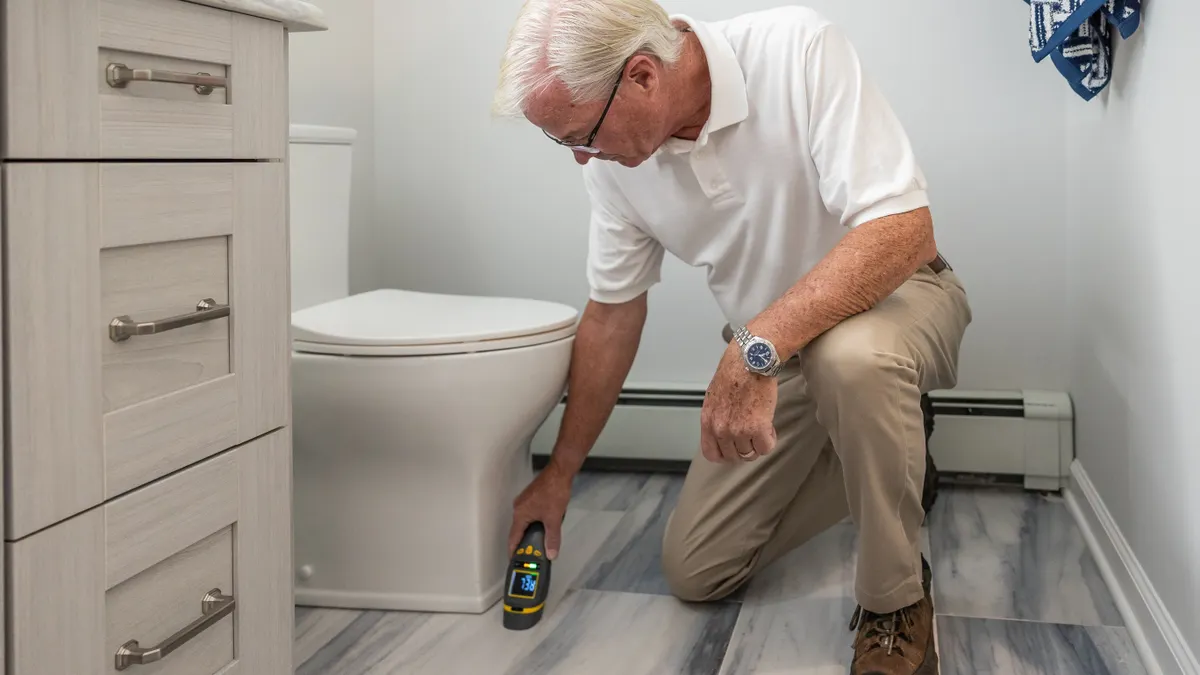
The toilet itself can also show smaller changes before overflow starts. The bowl water may rise slightly after flushing and then drop lower than normal. It may take a second flush to clear waste that used to go in one pass. A lid rattling, a tank that seems normal, and a bowl that sounds hollow or “gluggy” are all clues that deserve attention.
The common mistake is to blame the toilet mechanism first. That can send a homeowner replacing flappers, fill valves, or even the whole toilet when the real issue sits in the drain line. A toilet tank part might cost $15 to $40, but that repair does nothing if the sewer pipe is the part backing up. The better move is to treat toilet bubbling as a system warning, not just a fixture problem, and consult a licensed plumber or another qualified professional. For venting and drainage basics, the International Association of Plumbing and Mechanical Officials offers a plumbing code overview and the EPA also explains indoor plumbing and wastewater considerations.
This is one of the places where a generic article often under-explains the risk. Bubbling is not cosmetic. It is one of the few warning signs a homeowner can hear before sewage reaches the floor.
What does gurgling in the drains mean?
Gurgling in the drains means air is being forced through standing water or a partial blockage is changing the pressure in the pipe. If a sink, tub, or basement drain gurgles after a toilet flush, that sound is a warning that wastewater is not moving cleanly.
The sound usually shows up in 3 places: the drain itself, the toilet bowl, or a nearby fixture that should stay quiet. A shower drain may gurgle when the washing machine empties. A basement floor drain may burp when the upstairs toilet flushes. Those are not random noises; they are the sound of air and waste competing for space in the same line.
This sign gets missed because it is easy to explain away. Old houses creak. Pipes make noise. That is true. But sewer-related gurgling has a pattern. It appears with fixture use, repeats under similar conditions, and often comes with slower drainage or an odor. If it only happens once during a storm or a rare heavy load, it may be less urgent. If it happens every day for a few days, pay attention.
A useful rule is to notice timing. Gurgling right after a flush is different from gurgling an hour later. Immediate noise usually means the line is reacting to that flow. Delayed noise may point to water moving through a narrowing pipe and pushing trapped air ahead of it. Either way, the system is not behaving normally.
This is also the warning sign homeowners most often underestimate because there is no mess yet. Noise is not harmless if it repeats with other clues.
Sewer gas smells are not the same as normal drain odor
Sewer gas smells are a warning sign when they change, strengthen, or start coming from a drain that normally smells neutral. A sudden rotten-egg, stale, or sulfur-like odor near a basement drain or bathroom floor drain should not be ignored.
A brief smell after a drain has not been used for several days can happen if the water in the trap has evaporated. That is not the same as a persistent odor that returns after flushing, laundry, or a shower. The second pattern is more concerning because it suggests the system is moving gas abnormally or that wastewater is lingering where it should not.
Look at where the odor appears. A smell near one sink may be local. A smell that shows up near a basement drain, toilet, and utility area at the same time is more suspicious. That matters because sewer gas often follows the path of the most stressed part of the system. If the smell intensifies when another fixture runs, the line is under pressure.
Do not ignore a smell just because the drain still works. A pipe can be partially blocked and still move some water. The odor may be the only clue before the level rises enough to overflow. If the smell is strong, lasts more than a day, or pairs with bubbling and slow drainage, the warning is real.
One limitation is worth stating plainly: not every bad smell is sewer gas. A forgotten mop bucket, a dry trap, or a garbage disposal can mimic it. The difference is persistence and pattern. Sewer gas tends to return with use, not just with neglect.
When multiple fixtures go bad at once
Multiple fixtures acting up at once is one of the clearest sewer backup warning signs because the problem is usually beyond a single drain. If the toilet, bathtub, and basement drain all slow down within the same 48-hour window, the issue is more likely in the shared line than in one isolated fixture.
This is the pattern that should make a homeowner stop treating the symptoms separately and consult a plumber or other qualified professional if the issue continues. A kitchen sink clog, for example, should not usually cause a basement drain to gurgle. When several fixtures react together, the line may be narrowing or partially blocked at a point they all share.
The sequence matters. A toilet bubbling first, then a shower draining slowly, then a basement drain smelling off is more concerning than a single slow sink. The house is telling the same story from different rooms. That is how sewer trouble announces itself before overflow starts.
Common mistakes here cost time. Some homeowners snake one sink, pour chemicals into another, and hope the issue clears. That can hide the pattern without fixing the cause. Drain chemicals also are a poor match for a shared sewer-line problem; they may not reach the obstruction, and they can add unnecessary risk inside the pipe. A plumbing camera inspection or professional evaluation is the more direct route when several fixtures are involved.
This is the point where a homeowner should think in terms of escalation, not more guessing. The warning signs are no longer isolated. The system is signaling a house-wide problem, and that deserves a faster response than a single-fixture clog.
Which warning signs homeowners miss because they look harmless?
Homeowners miss the warning signs that seem ordinary: a toilet that needs a second flush, a basement drain that smells only after heavy use, and a soft gurgle that appears once or twice a day. Those clues look small because they are small at first, but they are often the first usable evidence that the sewer line is struggling.
The biggest blind spot is gradual change. People notice a flood because it is obvious. They miss the 2-week slide from normal to slightly slow to repeatedly slow. That is why timing matters. If the same drain has behaved differently for several days, or a toilet now bubbles every evening after laundry runs, the issue has stopped being random.
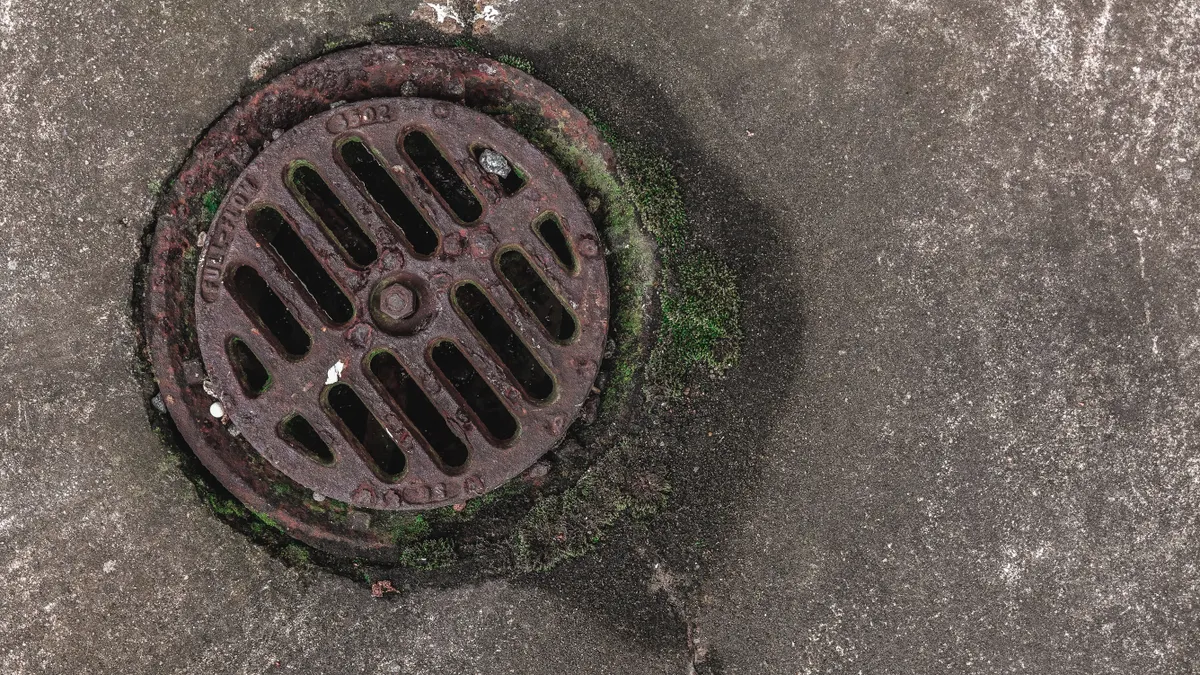
Another missed clue is the basement drain. Many homeowners barely look at it until something spills. Yet a floor drain is often one of the earliest places to show sewer trouble because it sits low and reacts when the line starts backing up. A change in water level there, even without overflow, deserves attention.
The final blind spot is assuming a single sign must be dramatic to count. It does not. A $5 bottle of drain cleaner will not tell you whether the sewer line is backing up, and a quiet toilet does not mean the system is fine if the rest of the house is gurgling. The better habit is to track clusters: odor, sound, speed, and whether more than one fixture is involved.
If the signs are still mild, this page is the right place to act. If wastewater has already come up through a drain or toilet, that is a different problem with a different first step.
What are early signs of a sewer backup?
Early signs of a sewer backup include slow drains, toilet bubbling, gurgling sounds, sewer gas odor, and multiple fixtures draining badly at the same time. The clue is usually a pattern, not one isolated symptom. If a basement drain, toilet, and sink all change behavior within a day or two, that is more concerning than one slow fixture.
Does a bad smell always mean a sewer problem?
No, a bad smell does not always mean a sewer problem. A dry trap, a garbage disposal, or trapped debris can cause odor too. The sewer warning sign is a smell that returns with fixture use, gets stronger over time, or appears with slow drains or gurgling. Persistence is what makes it suspicious.
What does gurgling in the drains mean?
Gurgling in the drains means air is being displaced by water in a way the pipe does not normally handle. That often points to a partial blockage or pressure problem somewhere in the drainage system. If the sound repeats after flushes or laundry cycles, and especially if more than one fixture is involved, it deserves prompt attention.
Drafted with AI; not yet reviewed by a person.