Last updated: October 24, 2026
Key Takeaways
- Gather proof of the date, location, cause, and extent of damage in a way an adjuster can verify.
- Follow a fixed order: document first, move second, save everything, and record every contact.
- Keep records of the property’s condition before and after the loss, plus every paper tied to the adjuster’s review.
- Do not clean up too fast; once the scene is gone, memory is a weak substitute.
If you need to file Sewage Backup Insurance Claims: What Information to Collect Before You File, collect photos, video, receipts, a damage inventory, your policy, and every note tied to the claim number before you start forgetting details.
This article is information, not financial advice; insurance coverage and claim handling vary by policy, state, province, and country, so a qualified adviser or licensed insurance professional should review your own situation.
What this article covers, and who it is for
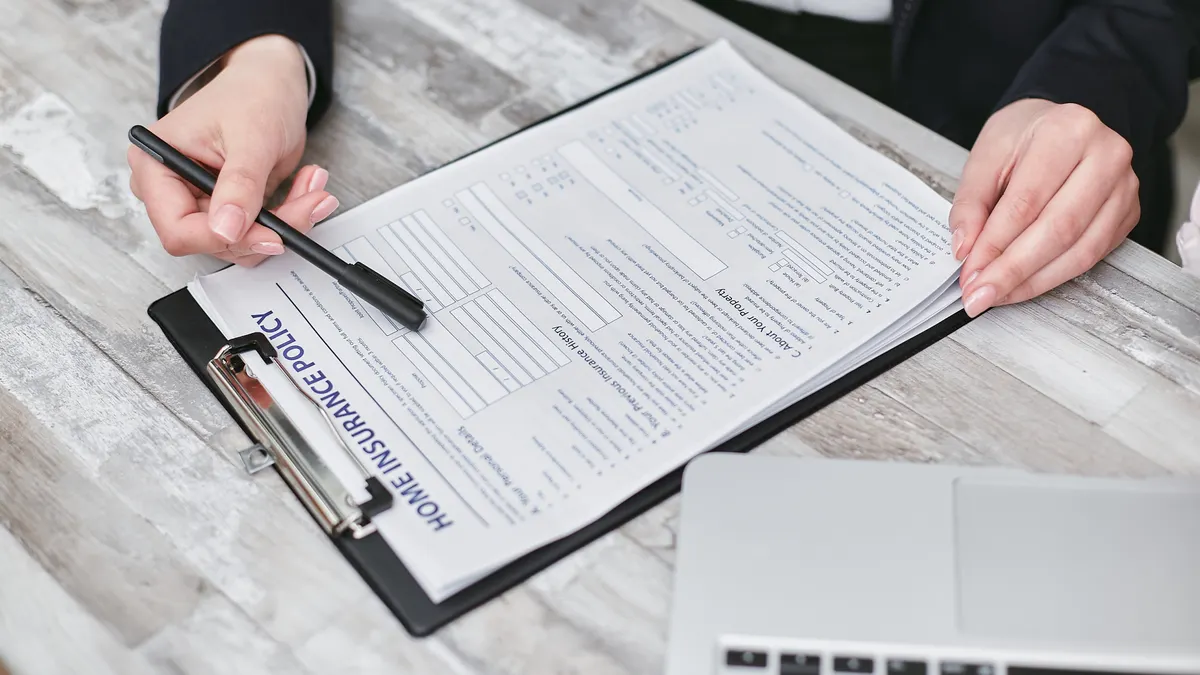
This guide applies to a homeowner, renter, or property manager who needs to document Sewage Backup Insurance Claims: What Information to Collect Before You File before filing or while the claim is still open. It assumes you already know the incident happened, that a sewer line or drain overflow affected the property, and that you have access to your policy paperwork, phone camera, and basic repair records. It does not cover how to clean the mess or how coverage works under every policy form; those are separate questions.
The main job here is insurance claim evidence. That means the paper trail and media an insurance adjuster uses to decide what happened, when it happened, and what was damaged. A strong file usually includes time-stamped photos, short videos, receipts for mitigation or emergency service, a room-by-room loss inventory, and a written timeline that names the claim number from the first contact onward.
This approach is right for most standard residential losses. It is not the right tool if the building is unsafe, if sewage has entered HVAC ductwork or wall cavities in a way that requires licensed remediation, or if you are trying to prove a long-running leak that happened over weeks. In those cases, documentation still matters, but the evidence strategy changes because the loss may involve moisture mapping, microbial growth concerns, or a dispute over when damage began.
For a broader look at why backups happen, the hub on sewage backup causes is the better place to start. This page stays on evidence, records, and claim filing.
What proof do I need for Sewage Backup Insurance Claims: What Information to Collect Before You File?
You need enough proof to show the date, location, cause, and scope of damage in a way a claims adjuster can verify. Start with the claim number, then build a packet around the event itself.
A useful claim file usually contains:
- Photos taken before anything is moved, including wide shots and close-ups.
- Video that shows the affected rooms in one sweep.
- A written timeline with the first sign of backup, when you reported it, and who you spoke with.
- Receipts for emergency plumbing, extraction, drying, hotel stays if the policy allows them, and damaged items you replaced or cleaned.
- A loss inventory listing each item, brand or model if known, age, condition, and estimated replacement need.
- Copies of emails, texts, and letters with the insurer.
- The policy declarations page and any endorsement that mentions sewer or drain backup.
The key is consistency. If your photos show a basement utility room flooded to 2 inches, your notes should say the same thing. If a plumber says the line backed up at 7:15 p.m., that time should appear in your claim notes and any invoice. Small mismatches invite questions. Large ones can delay payment or lead to a narrower estimate.
How to collect the evidence, step by step
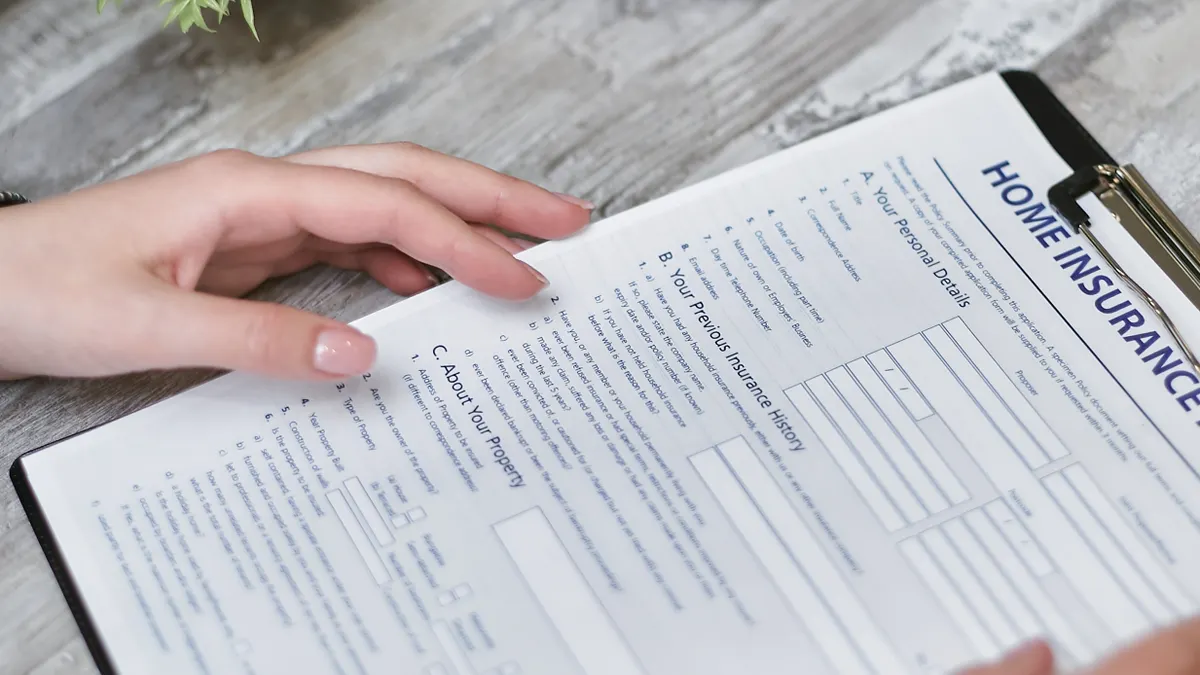
Collect the evidence in a fixed order: document first, move second, save everything, and write down every contact. That sequence helps preserve what an insurance adjuster may want to inspect later.
- Record the incident time immediately. Write the date, the time you first noticed the backup, and the time you reported it. Use a 24-hour clock if that is easier to keep straight, and note the source of the time, such as a phone call log or message timestamp. Verify that the timeline matches your phone records. A problem is leaving this to memory, which drifts after even 1 day.
- Photograph each affected area before cleanup starts. Take wide shots from doorways, then closer shots of floors, baseboards, furniture legs, appliances, and fixtures. Aim for 3 distances in each room: wide, midrange, and close-up. Verify that each image includes a visible landmark, such as a door frame or outlet, so the room can be identified later. A problem is cropping out the context the adjuster needs.
- Capture video in one continuous pass. Walk slowly through the space with the phone held steady for 30 to 90 seconds per room, narrating what you see: standing liquid, stained drywall, saturated carpet, or damaged stored items. Verify that the video shows the path through the property and not just isolated close-ups. A problem is shaky clips with no room orientation.
- Keep the damaged items where they are until they are documented. If something must be moved for safety, photograph it first and then place it in a dry area without discarding it. Verify that tags, labels, serial numbers, and model numbers remain readable. A problem is throwing away items before the insurer has a chance to inspect them.
- Build a loss inventory line by line. List each damaged item, its room, description, approximate age, purchase source if known, and whether it needs cleaning, repair, or replacement. A spreadsheet works, but a notebook works too if it is legible. Verify that every item in a photo appears in the inventory or is clearly excluded. A problem is writing “miscellaneous contents,” which tells the insurer very little.
- Save every receipt and invoice in one folder. Keep emergency plumber charges, shop-vac rentals, dehumidifier rentals, mitigation invoices, hotel bills, and any temporary storage costs if your policy covers them. Scan or photograph each receipt the same day. Verify that dates, vendor names, and line items are readable. A problem is loose paper in a wet room or a blurry image of the total only.
- Preserve the policy and declarations page. Pull the policy booklet, declarations page, and any sewer or drain backup endorsement or rider. Mark the pages that mention deductibles, limits, exclusions, or notice requirements. Verify whether the form applies to an owner-occupied home, rental, condo, or commercial space. A problem is assuming the backup is covered the same way under every property type.
- Log every conversation with the insurer and contractors. Write down the date, time, person’s name, company, phone number, and what was said. If the claim number is assigned, put it on every page and every file name. Verify that you can match each call or email to a note in the log. A problem is relying on voicemail alone, which becomes hard to track later.
A good result is simple: an insurer can look at your file and reconstruct the event without asking you to remember details from scratch. That is what strong evidence does.
What should I save after the adjuster opens the claim?
Save everything that shows the condition of the property before and after the loss, plus every document tied to the adjuster’s review. The claim number should appear on each email, invoice, and note once it has been issued.
The most overlooked records are the ones created after the first report. Keep the adjuster’s inspection appointment, any estimate request, any denial or reservation-of-rights letter, and any follow-up questions in one folder. A reservation of rights is the insurer’s notice that it is investigating the claim and has not yet decided coverage; that phrase matters because it can change what you are asked to prove.
If a contractor gives a written estimate, save the version with dates and line items. If a plumber inspects the line or cleanout, keep that report even if it is only 1 page. If your phone automatically backs up photos, leave the originals in place so metadata stays attached. Metadata is the file data that can include time, date, and location information.
Also save any communication about access. If the adjuster wants to inspect the basement on Tuesday at 10 a.m., note who confirmed it, whether the power was on, and whether the affected area was still wet or had already been dried. That detail can matter when the insurer compares your photos to the later inspection.
The mistakes that weaken a claim file
The biggest mistake is cleaning up too quickly and then trying to recreate the scene from memory. That usually leaves gaps in the photo set and makes the damage inventory harder to verify. The better alternative is to document first, even if that means waiting 10 or 15 minutes before moving items.
A second mistake is discarding ruined contents without photographing them from 2 or 3 angles. Once the item is gone, the adjuster may have only your description. The fix is simple: photo, note model or brand, then discard only if necessary.
A third mistake is mixing estimate documents, receipts, and personal notes in the same folder with no labels. That makes claim communication harder to follow. Separate them by category: photos, invoices, correspondence, and inventory.
A fourth mistake is using vague labels like “flooded stuff” or “bathroom damage.” Those phrases are too broad for a claim file. Use room names, item names, and measurements where possible, such as “laundry room baseboard, lower 12 inches stained” or “ottoman in family room saturated.”
A fifth mistake is ignoring the policy language until after the claim is underway. That can leave you surprised by a deductible, a limit, or a notice rule. Read the declarations page early and note any sewer backup endorsement, because the coverage structure can differ from one policy to another.
A sixth mistake is failing to keep a contact log. A claim can involve a plumber, mitigation contractor, adjuster, desk examiner, and sometimes a second reviewer. Without a log, one missed phone call can slow the file by days.
When should I stop and get help with the file?
You should stop trying to handle the evidence alone when the loss crosses into structural, health, or coverage-dispute territory. That does not mean you stop documenting; it means the documentation needs support from a qualified contractor, public adjuster, or legal adviser, depending on the issue.
Seawage reached electrical equipment, panels, or outlets: This is a safety issue, not just a paperwork issue — avoid the area and have a licensed professional inspect it before you gather more evidence.
Drywall, insulation, or subflooring is visibly saturated more than a small surface area: Hidden damage may exist behind the finished surface — document what you can from the outside and bring in a qualified mitigation or restoration professional for inspection.
The insurer is asking for proof you do not have: Missing receipts, missing photos, or unclear dates can weaken the file — rebuild the timeline from phone records, bank statements, email, and contractor invoices.
The backup appears tied to a shared sewer line, condo common area, or landlord-controlled system: Liability and coverage can split across parties — keep documenting, but get guidance on who owns which loss and who should be notified.
The adjuster’s estimate clearly does not match the visible damage: The gap may reflect a scope dispute, not a simple clerical error — ask for the written estimate details and preserve your own photographs, inventory, and contractor bids.
The loss happened over multiple days or the date is uncertain: The claim may turn on when damage began, not just what was damaged — create a day-by-day log and consider outside help to support the chronology.
In those situations, the evidence file still matters, but the stakes are high enough that a second set of eyes can protect the claim from avoidable mistakes.
What changes if the backup happened in a condo, rental, or business?
The evidence list stays the same, but the decision about who needs copies changes. In a condo, the association may need notice about common plumbing, while the unit owner still needs photos, receipts, and the claim number. In a rental, both landlord and tenant should keep separate records of damaged property and unit damage. In a business, inventory, interruption records, and vendor invoices become more important.
The practical difference is who controls the space and who owns the damaged property. A tenant should document personal belongings and any area the landlord is responsible for, such as a fixture or built-in cabinet. A landlord should document the building structure, appliance condition, and any repair work arranged through contractors. A business owner should add dated photos of stock, equipment, and any missed-use records tied to the loss.
If more than one policy may apply, keep each file cleanly labeled. One claim number per carrier, one folder per insurer, and one note explaining which documents were sent where. That avoids confusion when two adjusters ask for the same invoice or the same photo set.
How do I know the file is ready to submit?
Your file is ready when a stranger can understand the loss from the documents alone. That usually means the timeline is complete, the photos show the damage from multiple angles, the receipts match the dates, and the inventory lists every significant item without guessing.
A solid submission package usually has:
- The policy declarations page
- The claim number
- A one-page incident summary
- Photos and video
- Receipts and invoices
- A room-by-room loss inventory
- Copies of all claim communication
- Any plumber or contractor report
Before you send it, check for simple problems: missing dates, unreadable images, duplicate files, and unsigned estimates if a signature is required. If any document depends on memory alone, replace the memory with something recorded. A short note written the same day is more useful than a polished explanation written a week later.
The goal is not to create a perfect file. It is to create a file that can survive review. That is what good insurance claim evidence does.
FAQ
What proof do I need for a sewage backup claim?
You need proof of the event, the damage, and the cost to address it. That usually means dated photos, video, receipts, a written timeline, a loss inventory, and the claim number on all correspondence. If a plumber or contractor inspected the loss, keep that report too.
Should I keep receipts for cleanup and repairs?
Yes, keep every receipt and invoice, even for small items.
Drafted with AI; not yet reviewed by a person.