Last updated: September 10, 2026
Key Takeaways
- Drywall cut off 12 inches above the highest visible line is common damage-control practice when sewer water wicked into the wall.
- I’m assuming you already have basic access to the area and can see what was touched.
- The emotional cost matters too, but the hygiene risk is what should decide it.
- Cardboard wicks contamination fast and then contaminates whatever is packed inside.
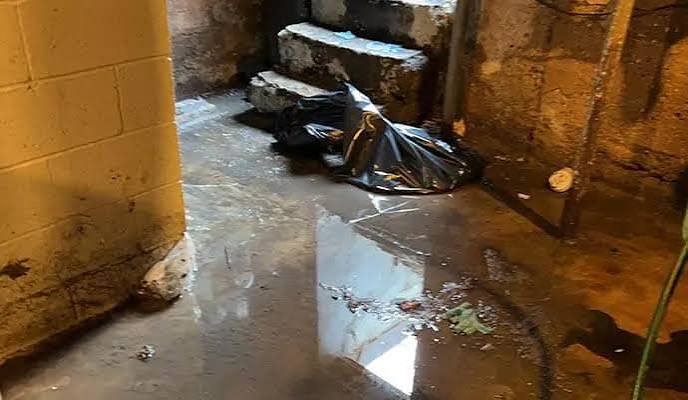
Sewage on the floor is not a “wipe it up and hope” situation. If you need to know what to throw away after a sewage backup, the blunt answer is this: porous items that sewage touched and you cannot fully clean and disinfect within about 24–48 hours should go. That usually means carpet, carpet padding, mattresses, upholstered furniture, paper goods, food, and many personal items. The tricky part is sorting what can stay, what needs disinfection, and what is just not worth the gamble.
Who this applies to, and what I’m assuming you already know
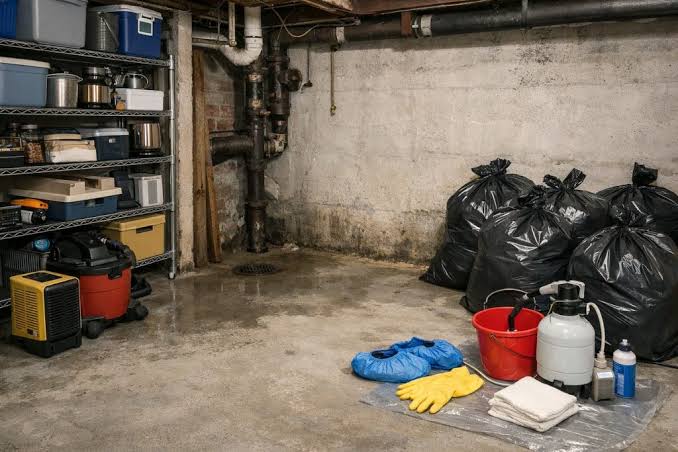
This applies to a home sewage backup, toilet overflow with fecal contamination, or any drain failure that introduced wastewater from the sanitary line into living space. I’m assuming you already have basic access to the area and can see what was touched. No special kit is required to start; a bucket, heavy trash bags, gloves, a mask, detergent, and a way to dry the room are enough to begin sorting.
I’m not treating this as a clean-water leak. If the water came from a sink supply line, dishwasher hose, or rain intrusion, the throw-away list is much smaller. Sewage is different. It carries pathogens, and it can soak into materials that look fine on the surface while staying contaminated inside.
This is a high-stakes cleanup. Honestly, the hidden stuff is the danger. If the backup is extensive, if sewage reached heating ducts, if the room was flooded for hours, or if anyone in the home is immunocompromised, I would stop short of “DIY everything” and get a water damage/restoration firm and, if needed, a licensed plumber. Why? Because contamination buried in walls, subfloors, and ductwork can keep spreading odor and exposure after the visible mess is gone.
What follows is the practical question: what gets tossed, what can be cleaned, and what is a bad bet to keep when you’re deciding what to throw away after a sewage backup.
What I would throw away first
Porous, absorbent, or impossible-to-sanitize items go first. Carpet and carpet padding. Mattresses. Pillows. Upholstered chairs and sofas. Particleboard furniture. Books. Paper files. Cardboard boxes. Fabric toys. Untreated rugs with thick backing.
Porous means liquid and contamination sink below the surface. Sewage does not just sit there. It wicks into the core. And that’s the problem. Even strong cleaners do not reliably reach every fiber, seam, or filler.
Food is an immediate stop. I would discard any unpackaged food, any refrigerated or frozen food if the power was off long enough to warm the fridge/freezer, and any sealed package that was touched by sewage on the outside and cannot be washed completely before opening. Canned food in intact metal cans can usually be cleaned if the can itself has no rust, swelling, or damage. Glass jars are more salvageable if the seal is intact.
I would also throw away any absorbent personal item that touched the sewage and cannot be laundered hot enough to clean fully, such as cloth baby gear, stuffed animals, and some shoes with fabric liners. If an item has foam, batting, or layered fabric and it stayed wet for more than a day, I would lean toward disposal even if it “looks okay.” Smell is often the giveaway. A restoration professional can still help confirm whether it is salvageable.
For medicine, cosmetics, contact lenses, and anything used around the mouth or eyes, I would be conservative. If sewage touched it, trash it.
What can usually be cleaned instead of tossed
Hard, nonporous items are the ones I would try to keep. Tile, sealed hardwood, solid plastic, metal, glass, and glazed ceramic belong in that group. But “can be cleaned” does not mean “wipe it once and move on.” Not even close.
The sequence matters. First remove visible soil with detergent and water. Then disinfect with a product labeled for the surface and follow the label contact time. Contact time is the wet period the disinfectant needs to sit on the surface to work. Many products require several minutes; the exact number is on the label. If the surface dries too early, reapply it. Simple, but not glamorous.
Some washable textiles can also stay. Sheets, towels, and some clothing can usually be saved if they were only lightly contaminated and can be washed separately in hot water with detergent, then dried completely. The catch is that this does not fit every fabric. Wool, silk, down, and many “dry clean only” items are poor candidates. A sweatshirt with a sewage stain is not the same thing as a thick couch cushion that soaked it up.
Appliances and electronics deserve extra caution. A refrigerator or washer cabinet may be salvageable if flood water only touched the exterior shell and not the motor, insulation, or control board. Small electronics, power strips, extension cords, and anything with vents or ports touched by sewage usually belong in the trash. Water plus contamination inside an electrical device is not a cleaning job; it is a failure point. Dead weight, basically.
If you are uncertain, I would ask one question: can I verify that every contaminated part is reachable, cleanable, and dryable? If the answer is no, I would not keep it.
What should be thrown away after a sewage backup?
I would throw away the items that cannot be cleaned all the way through, cannot be disinfected without damage, or would be too risky to reuse around food, skin, or sleeping areas. Here is the practical sorting list.
| Item | Typical action | Why |
|---|---|---|
| Carpet and carpet pad | Replace if sewage soaked them | Fibers and padding wick contamination deep into the material |
| Mattresses and pillows | Discard if sewage reached the fill | Foam and batting trap moisture and odor |
| Solid hard surfaces | Clean and disinfect | Nonporous materials are usually reachable and washable |
| Paper goods and cardboard | Discard | They absorb liquid quickly and cannot be disinfected reliably |
| Food and medicine | Discard if contaminated | High-risk items used internally or near the body |
- Carpet and carpet pad: Cut out and discard any section that was soaked by sewage, usually at least the affected room area plus any underlay that wicked moisture outward. Verify that the tack strip and subfloor can be cleaned and dried. If odor remains after cleaning, the contamination has likely spread below the visible edge.
- Mattresses, pillows, cushions, and upholstered furniture: Throw them away if sewage reached the interior fill, seams, or wooden frame. Verify by lifting the cover or compressing the item; if liquid came out or the odor is inside, it is not worth saving. A mattress is a common loss because foam and batting hold contamination deep inside.
- Particleboard, MDF, and chipboard furniture: Discard pieces that swelled, delaminated, or absorbed water at the base. Verify whether edges have puffed or veneers have lifted. If the board has expanded even a little, structural failure follows later.
- Paper goods, books, documents, and cardboard: Trash them if they were wet with sewage. Verify whether the moisture reached the pages, not just the outer cover. Paper fibers trap contamination and are very hard to disinfect without destroying the item.
- Food and drink: Throw out any unpackaged food and any item with compromised packaging. Verify seals, dents, rust, and contamination on the outside. If you cannot clean the container before opening, discard it.
- Porous toys, baby items, and pet items: Discard anything plush, foam-filled, or difficult to sanitize thoroughly. Verify whether the item has hidden seams, stuffing, or textured surfaces. If a child might mouth it or a pet might lick it, I would not keep it.
- Electronics with openings: Trash small electronics, extension cords, and power strips that were exposed. Verify whether sewage could have entered vents, ports, batteries, or control panels. If yes, do not power them up.
- Soft shoes, fabric bags, and layered clothing: Keep only if they can be laundered or professionally cleaned and fully dried. Verify whether the sole, lining, and stitching were contaminated. If odor lingers after drying, discard.
A useful rule: if the item is absorbent and expensive to clean, replacement is often the cheaper path — well, usually cheaper. That is especially true for mattresses, upholstered seating, and carpet pad. The emotional cost matters too, but the hygiene risk is what should decide it, and a restoration professional can help when the call is unclear.
How do I know if something can be saved?
I decide by asking four questions: Did sewage touch it, is it porous, can I reach every contaminated surface, and can I dry it within about 24–48 hours after cleaning? If any answer is no, I lean toward disposal.
The drying window matters because damp organic material becomes a problem fast. Even when the item is not visibly moldy, a trapped wet core can keep odor and contamination alive. A fan alone is not enough if the material is thick. Not even close.
I also look at where the item will be used. Near food, sleeping, or children, the standard gets stricter. A garage storage bin is one thing; a child’s mattress is another. Skin, mouths, and breathing space deserve more caution.
Cleanup reach is the second filter. A smooth chair leg can be washed. A tufted couch with springs, foam, and stitched seams cannot be fully verified once sewage has soaked it. Verification is the real issue. If I cannot inspect the contaminated interior, I do not trust it.
For salvageable hard goods, I want visible soil removed, detergent cleaned off, and a disinfectant label that matches the surface. For many household disinfectants, that means a wet contact time measured in minutes, not seconds. I would also rinse food-contact surfaces after disinfection if the product label requires it.
If an item has sentimental value but poor hygiene value, I would treat it as a keepsake decision, not a cleanup decision. That distinction keeps people from hanging onto things that should have gone out with the trash, and a certified restoration or public health professional can help when you are torn.
When should I stop and call in help?
I would stop and call a water damage/restoration professional when the backup crosses any of these lines.
Sewage reached wall cavities, insulation, or subfloor: the contamination is no longer on the surface — remove wet building materials and have hidden spaces checked, because trapped moisture can keep feeding odor and microbial growth.
The affected area is larger than one room or keeps spreading: this means the source may still be active or the water has migrated — shut off water if relevant and call a plumber plus cleanup help.
The HVAC system or ducts were exposed: contaminated air can move through the house — turn off the system and do not run it until the ducts and air handler are assessed.
Someone in the home is pregnant, elderly, immunocompromised, or has open cuts: exposure risk is higher — keep them away from the area and let trained crews handle the dirty work.
Floodwater was present for many hours or you cannot dry the space within 24–48 hours: that is the point where hidden damage becomes likely — bring in drying and demolition help rather than trying to deodorize over a wet structure.
Electrical outlets, breakers, or appliances were submerged: there is shock and fire risk — do not touch the system; have a licensed electrician inspect before power is restored.
I would also stop if the smell is strong after visible cleanup. That usually means something absorbent was missed or building materials need removal. The odor is not shy about telling on you.
The mistakes people actually make, and what they cost
I would avoid the mistakes that turn a manageable cleanup into a bigger loss.
One common mistake is keeping carpet padding because the top carpet “looks fine.” The cost is persistent odor and hidden contamination under the carpet. The better move is to remove both carpet and pad where sewage contacted them.
Another is washing contaminated clothing with normal laundry and then using the washer for the rest of the household loads. That spreads residue to other laundry. The correct alternative is a dedicated wash cycle for sewage-exposed items, followed by a cleaning cycle for the washer itself.
A third mistake is saving upholstered furniture because it feels dry on the outside. The consequence is trapped moisture in foam, batting, and wooden frames. The better alternative is to throw out any cushion or chair that was soaked through.
A fourth mistake is ignoring cardboard storage boxes because the contents look untouched. Cardboard wicks contamination fast and then contaminates whatever is packed inside. Move the contents into clean containers and discard the boxes.
A fifth is rushing to use fans and heat before the dirty material is removed. That can spread contaminated aerosols and push odor deeper into porous surfaces. The correct order is remove solids first, clean second, dry third.
A sixth is keeping sealed food because the package “was closed.” If the outside was contaminated and cannot be cleaned before opening, the food is not worth the risk. That rule is stricter for anything stored in damaged paper, foam trays, or soft packaging.
What changes in apartments, basements, and finished rooms?
I would change the plan based on where the backup happened. In a basement, the floor and lower wall materials matter most. Drywall cut off 12 inches above the highest visible line is common damage-control practice when sewer water wicked into the wall. If baseboards, insulation, or drywall are wet beyond that line, they usually need removal.
In a finished room with carpet, I would expect the carpet pad and sometimes drywall to go. In a concrete utility area, more hard surfaces may survive, but any shelving made of particleboard or cardboard storage still belongs in the discard pile.
In apartments, the source may be a shared stack or neighbor issue. If the sewage came through a ceiling, I would document it immediately and keep questionable items out of use until the building owner addresses the source and hidden damage. The wrong move is to clean around an active plumbing problem and assume the job is done.
If the backup involves a septic system rather than municipal sewer, the cause may be an overload, pump failure, or blockage. That does not change what gets thrown away, but it does change the cleanup timeline. Until the system is fixed, more sewage can return.
One practical figure: if an item was in contact with sewage and stayed damp more than a day, I treat it as high risk unless it is a hard surface you can fully clean. That is the line between “maybe” and “not worth it.”
What should the finished cleanup look like?
I would call the cleanup acceptable when the room is free of visible residue, the remaining hard surfaces are clean and dry, and there is no sewage odor after the area has been dried for several days. The goal is not to make everything look new. The goal is to remove contaminated material so the room is safe to use again.