Last updated: September 10, 2026
Key Takeaways
- Open a window 2 to 6 inches if weather allows, and close doors to unaffected rooms.
- Honestly, I would not spend the first 15 minutes scrubbing.
- In those cases, safety and containment still come first for the first 15 minutes, but the next move changes.
- Save that judgment for later. Not now.
Table of Contents
- What to Do in the First 15 Minutes After a Sewage Backup
- Key Takeaways
- What should I do first after sewage backs up?
- How do I stop the mess from spreading in the first 15 minutes?
- Is it safe to stay in the house after sewage backup?
- What not to do in the first 15 minutes
- When does the standard response change?
- What does a good first 15 minutes look like?
- What are the most common questions people ask right away?
- FAQ
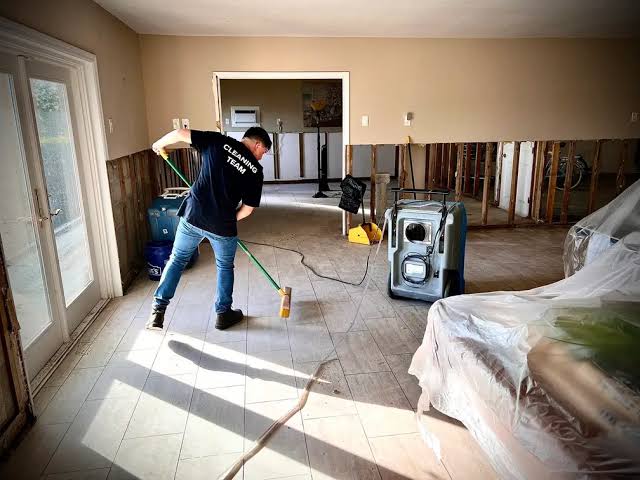
Dirty water in a shower, toilet, drain, or floor drain changes the problem fast. In the first 15 minutes of a sewage backup, the job is to stop the spread, keep people away from the area, and cut electricity if water is near outlets or appliances. I’m writing for the homeowner or renter who sees filthy water on the floor and needs a clear sequence for the first 15 minutes after a sewage backup, not a debate. This assumes you can get a flashlight, gloves, a mask, towels, a bucket, and the ability to shut off water and, if needed, power. It also assumes the backup is small enough that you can move around safely for a few minutes.
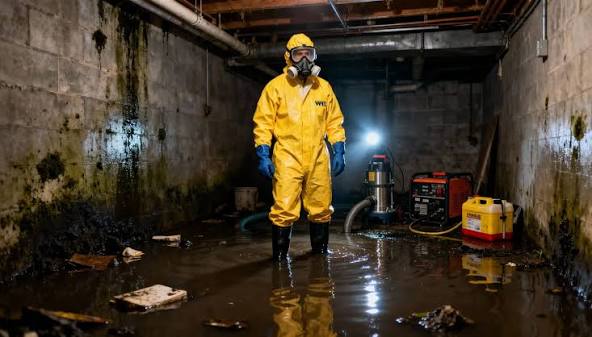
This is not a normal mop-up if the backup is extensive, if sewage is entering multiple rooms, if the ceiling below is involved, if anyone in the home is immunocompromised, or if the water has touched the electrical panel. In those cases, the safer move may be to stop, keep people out, and call a water damage restoration company or plumber right away. Sewage is a biohazard because it can carry bacteria, viruses, and parasites; the CDC and EPA both treat contaminated floodwater and sewage as a serious cleanup hazard, so consult a professional if the situation is beyond a very small spill.
What should I do first after sewage backs up?
Keep people and pets out of the area first, then stop the source if you can do it without stepping into the water. The aim is simple: keep a bad spill from becoming a bigger one. If the backup is coming from a toilet, shower, or floor drain, do not keep flushing or running water in the house. If you can reach the home’s main water shutoff in under 1 minute without stepping through sewage, shut it off; if not, skip that step and move to safety first.
Next, if water is near outlets, power strips, appliances, or the electrical panel, shut off power to the affected area at the breaker only if the panel is dry and you can reach it without crossing sewage. If the panel itself is wet or partly submerged, do not touch it. That is a job for the utility company or an electrician. Electricity and sewage are a dangerous mix.
Then ventilate the area if you can do so without spreading odor or aerosolized droplets into the rest of the home. Open a window 2 to 6 inches if weather allows, and close doors to unaffected rooms. I would not run a central HVAC system if return vents or ducts are in the contaminated space; it can move contaminated air.
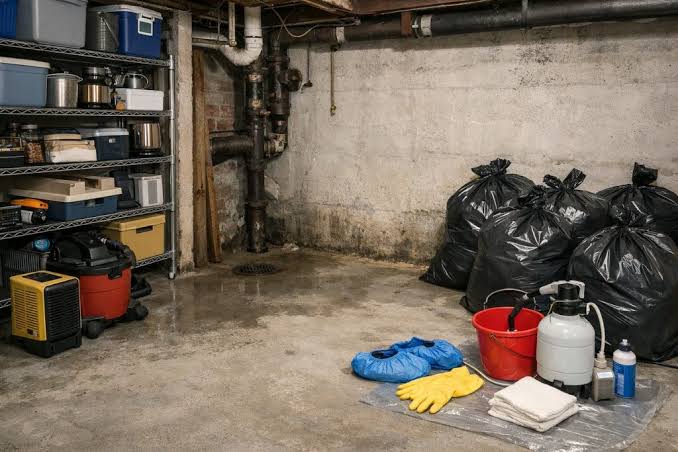
If you can do the next steps safely, put on disposable gloves, closed shoes or boots, and a mask. A respirator rated N95 is more protective than a loose dust mask if there is splashing or dried contamination. Keep children out of the room entirely.
How do I stop the mess from spreading in the first 15 minutes?
Block the path, clear out dry items, and do not stir the water. That is the whole game. Sewage moves through foot traffic, capillary action in textiles, and runoff into cracks, so a sloppy pass can make the mess bloom outward.
Here is the order I would use:
- Mark the boundary. Put a barrier at the doorway with towels, a trash bag, painter’s tape, or a plastic bin. Verify the line is obvious from both sides. If sewage has already crossed the threshold, the problem is no longer contained and you should widen the isolation zone.
- Remove dry items first. Take out rugs, baskets, shoes, and anything on the floor that is still uncontaminated. Keep them above the waterline. Verify nothing porous is left soaking on the floor. If you must step into the room, do it once and only once.
- Do not use a household vacuum. Vacuum cleaners can aerosolize contaminated moisture and destroy the machine. Verify you are using towels, a wet-dry extractor only if it is designated for contaminated water, or a pump rated for that purpose. If you do not have the right equipment, skip this and wait for cleanup help.
- Scoop standing water into a bucket if the source is still active. Use a plastic cup, dustpan, or small container and move from the edges inward. Keep splashes low, under a few inches of drop. If the water level keeps rising, the source is still active and you need to stop trying to bail it out and move to shutdown steps.
- Set aside washable hard-surface items. Plastic storage bins, metal trash cans, and nonporous items can be rinsed later. Verify they were not used to store food, baby items, or anything that contacts the mouth. Those should be discarded if contaminated.
- Protect the rest of the house. Lay clean towels at hallway thresholds and place a trash bag or plastic sheet under the doorway if possible. Verify no one is walking through the contaminated room into clean areas. The mistake is making a single path from the backup to the kitchen.
- Document the condition with photos. Take 3 to 5 clear photos of the source, spread, and any damaged items before you move too much. Verify the time stamp if your phone shows it. If this involves insurance, early photos matter more than a perfect clean-up.
- Start containment of debris. Bag small disposable debris in 2 trash bags, tied separately. Verify each bag is closed before it leaves the room. If bags are dripping, double-bag them and stop carrying them through the house.
A good first 15 minutes is almost dull: the water stays in one room, nobody goes barefoot into it, and the electrical risk does not get worse. A bad one is loud and quick; the water reaches carpet edges, stair treads, or baseboards, and suddenly you are dealing with walls and subfloor too.
Is it safe to stay in the house after sewage backup?
Only in a tight set of conditions: the backup is small, it is contained, and everyone can stay out of the contaminated zone while utilities remain safe. That window is narrow. I would treat any backup involving visible sewage on carpet, pad, drywall, or insulation as a contamination event, not a normal spill, and I would consult a professional if you are unsure.
Here is the practical test I use to decide whether to keep working or stop:
Standing water is near outlets, power strips, or the breaker panel: This means there is shock risk — shut off power only if you can do it from a dry location; otherwise leave the area and call an electrician or utility company.
Sewage came through more than one drain or fixture: This often points to a main line blockage or sewer lateral problem — stop using all plumbing fixtures and call a plumber.
Water has soaked carpet, pad, particleboard, or drywall for more than a few minutes: Porous material absorbs contamination fast — expect removal rather than surface cleaning.
Anyone in the home is pregnant, immunocompromised, elderly, or very young: Exposure tolerance is lower — move them away from the area and do not ask them to help clean.
You smell a strong sewer gas odor or hear gurgling in multiple fixtures: The line may still be blocked or vented poorly — stop running water and get a plumber involved.
The backup reached heating equipment, a floor furnace, or an appliance with an electrical motor: These items can fail later even if they seem dry — shut off power to the affected circuit and have them inspected before use.
If none of those apply and the spill is small, you may continue with containment and later cleaning. Still, I would not spend the first 15 minutes scrubbing. That burns time you need for shutdown, separation, and documentation.
What not to do in the first 15 minutes
Do not create a second mess while trying to fix the first one. That is where people lose time and money, usually because they act fast with the wrong tools.
- Do not run a fan toward the rest of the house. That can push odor and droplets into clean rooms. Use ventilation only if it stays local and does not move contaminated air through the HVAC system.
- Do not use a regular vacuum. It is not designed for sewage and can spread contaminated moisture into the air and the machine.
- Do not mix bleach with ammonia, vinegar, or other cleaners. That can create toxic gas. If you disinfect later, use one product exactly as labeled.
- Do not drag contaminated rugs or furniture through clean hallways. That tracks sewage across the home. Move items only if you can wrap them or carry them on a protected path.
- Do not assume “it looks clean” means it is safe. Sewage residue can remain in seams, grout, trim, and carpet backing. Visual cleanup is not the same as disinfection.
- Do not keep flushing toilets or running sinks. If the sewer line is blocked, every gallon you add makes the backup worse.
The better move is restraint, not heroics. Pause, isolate, and get the source under control. A fast but sloppy response can turn a one-room cleanup into demolition of flooring and drywall.
When does the standard response change?
The standard response changes when the backup is coming from outside the home, from more than one level, or from contaminated water that has already entered hidden spaces. In those cases, the first 15 minutes are still about safety and containment, but the next move changes.
For basement backups after heavy rain, the issue may be stormwater surcharge in the municipal sewer or a failed backwater valve. The immediate job is still to keep people out and shut off power if needed, but the source may not be fixable by a homeowner. If you have a backwater valve, do not open it blindly; the chamber may be full of sewage.
For multi-story sewage movement, such as a second-floor toilet overflow running into a first-floor ceiling, the visible floor puddle is only part of the damage. Ceilings and light fixtures can hold contaminated water. Stay away from sagging drywall. If a ceiling bows, that is a collapse risk, and the correct move is to evacuate the area beneath it.
For sewage that reached carpet pad or hardwood, the clock matters. Carpet pad is often non-salvageable after sewage exposure because it is difficult to disinfect fully. Hardwood may be salvageable if the exposure is brief and drying begins quickly, but cupping and stain bleed can still occur. That is a judgment for later, not the first 15 minutes.
For apartment buildings or shared walls, notify building management immediately. A backup in one unit can be a stack-line issue affecting several units. The right action is coordination, not isolated cleanup.
For home contents like baby gear, food, toothbrushes, or prescription containers, the standard “rinse and disinfect” rule does not apply. If sewage contacted mouth items, prepared food, or items used on broken skin, discard them unless a product label or manufacturer instructions clearly say otherwise.
What does a good first 15 minutes look like?
A good first 15 minutes ends with the source controlled or clearly identified, the area isolated, and the rest of the home protected. It does not end with a clean floor. That belongs to a different phase.
I want to see four things by minute 15:
- The water source has stopped, slowed, or been shut off.
- No one is standing in the affected room without protective footwear.
- Power risk has been addressed or the area has been left alone because it was unsafe to touch.
- Photos, doors, towels, and barriers have limited the spread.
If you get there, the problem is not solved — but it has not grown either.
The next step, after the first 15 minutes, is usually one of three paths: plumber for a line blockage, restoration company for contaminated materials and drying, or utility/electrician if power or panel safety is involved. If you need a cleanup contractor, ask what they follow: for sewage and flood contamination, industry guidance commonly references the IICRC S500 standard for water damage and the S520 standard for microbial remediation. That does not replace judgment, but it tells you the contractor is speaking the right language.
A small correction: many generic articles say to “just clean it up right away.” I would not. The first job is to prevent spread and make the space safe enough to approach. Cleaning comes after that.
What are the most common questions people ask right away?
The first questions are usually about safety, not restoration, and the answers are short.
Can I stay in the house? If the backup is small and contained, maybe. If sewage touched multiple rooms, HVAC, or the electrical panel, leave the affected area and use another part of the home or another place to stay until the hazard is controlled.
Should I turn off the water? Yes, if you can reach the shutoff safely and it will stop more flow into the system. If reaching it means stepping through sewage, do not do that.
Should I bleach the floor immediately? Not first. Bleach is not the first move in the first 15 minutes, and it is not a fix for porous materials that have soaked through.
Do I need a professional? If the backup is anything more than a very small, contained spill from a single fixture, I would treat a plumber or restoration company as the right next call, not a last resort. Sewage cleanup is one of the few household problems where “later” can mean “more demolition.”
FAQ
How long do I have before sewage damage gets worse? Minutes matter. The first 15 minutes are about isolation and shutdown because absorption into carpet, trim, and drywall starts quickly.
Can I use towels to soak it up? Yes, for a small, contained amount, but treat the towels as contaminated and bag them right away in double trash bags.
Is sewer gas dangerous? It can be. If the odor is strong, persistent, or accompanied by dizziness or nausea, leave the area and get the source checked.
What should I do with shoes and clothing I wore in the area? Remove