Last updated: September 10, 2026
Key Takeaways
- If you cannot reach the cleanout in 10 minutes, future maintenance can become expensive and messy.
- If your home is older than the 1980s and the line has never been camera-inspected, consult a licensed plumber or sewer contractor about whether the lateral should be treated as suspect.
- If the video shows repeated root entry or a break, cleaning alone is usually only a temporary fix.
- This is not the place to improvise if sewage is still coming up through a floor drain, tub, or basement shower.
A sewage backup is ugly fast. And it usually comes down to a few fixable habits, plus a line that needs attention before it fails again. The job here is simple, but not easy: keep bad material out, keep roots and debris from winning, and repair the drainage or venting issue that sends waste the wrong way. This article on how prevent future sewage backups your home focuses on the practical steps that prevent repeat backups in a house with a finished basement, a slab home, a rental, or an older property with clay or cast-iron sewer piping.
Who this applies to — and who should do something else
This guide is for a homeowner or tenant who has already had a sewage backup, a nasty toilet overflow, or recurring slow drains and wants to prevent the next one. I’m assuming you already know the basic layout of a home drain system: fixtures drain into branch lines, branch lines connect to the building drain, and that ties into the building sewer and then the municipal main or a septic tank. City sewer or septic? Verify that first. Otherwise, you can spend money on the wrong fix.
This article on how prevent future sewage backups your home is not the place to improvise if sewage is still coming up through a floor drain, tub, or basement shower. Raw sewage is a contamination problem, not just a plumbing annoyance. Same story if the backup is tied to a collapsed line, a repeated main blockage, or a flooded electrical panel. Only then does prevention even start.
The standard approach works best for homes with one or more of these risks: older clay or cast-iron laterals, large trees near the sewer route, a basement below street level, or a history of grease, wipes, or coffee grounds in the system. It is less useful if the real problem is a failed municipal main outside your property line. In that case, your house may be the victim rather than the cause, and the fix is often documentation, a sewer camera inspection, and a claim or utility complaint rather than more drain cleaning inside the house.
Two sources worth knowing are the U.S. EPA page on private sewer laterals and the Plumbing-Heating-Cooling Contractors Association’s guidance on drain care and backflow prevention. I’m not citing them for entertainment; they define the terms and failure modes that matter. Plain and simple.
What actually causes a sewage backup?
A sewage backup happens when wastewater cannot leave the house fast enough and takes the path of least resistance back through a low fixture or drain. In plain terms, something downstream is blocked, restricted, broken, or overwhelmed. Grease buildup, flushed wipes, roots in the lateral, pipe sagging, a failed backwater valve, or a municipal surcharge during heavy rain are the usual culprits. That’s the whole ugly list.
The detail people miss is that not every backup is the same. A single toilet backing up can mean a branch line problem. Multiple fixtures backing up at once usually points to the main building drain or the sewer lateral. A basement floor drain is often the first place to show the problem because it sits low and has no seal against a backed-up line unless a backwater valve is installed. Low point, first clue.
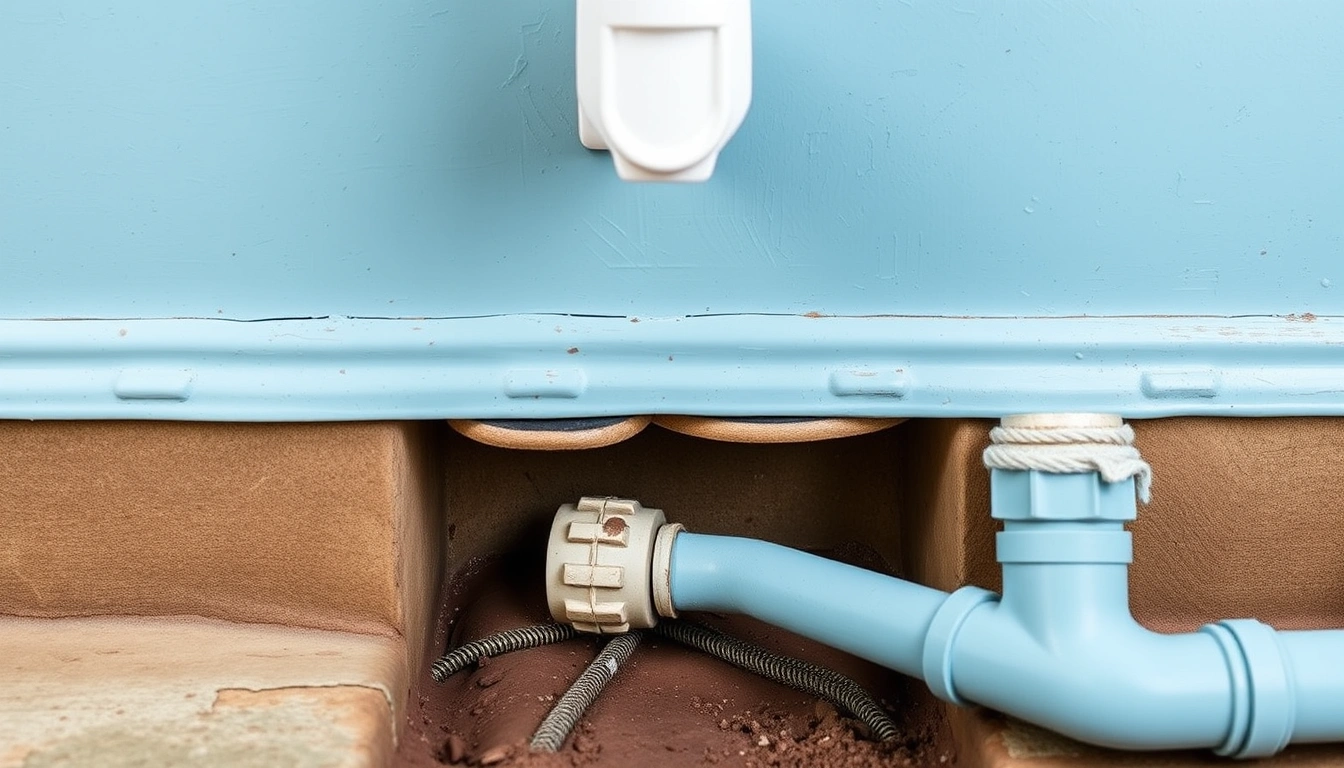
One technical term matters here: a backwater valve is a one-way valve installed in the drain line that allows wastewater to leave the property but closes if flow tries to reverse. It is not a cure for a broken pipe, but it can reduce how much of a backup reaches a basement floor drain or low bathroom. That is useful in flood-prone areas and in homes below street level, but it can also require maintenance because debris can stop the flap or gate from closing cleanly.
I would take a hard line on one point: if your home has repeated backups after normal use and basic cleaning, consult a licensed plumber or sewer contractor about treating it as a system problem, not a bad-luck problem. A can of drain cleaner or a longer plunge session will not fix a belly in the pipe, root intrusion, or a city main surcharge. It may even delay the real repair long enough to make the next backup worse. That math stops working fast.
How do I prevent sewage backups in my home?
You prevent most future backups by keeping the sewer path clear, reducing what enters the system, and fixing the low points where wastewater can return. The practical plan for how prevent future sewage backups your home is below. Short version: don’t feed the clog.
- Map the fixtures and the low point: Identify every basement floor drain, shower, toilet, and laundry standpipe, then note which one backed up first. Verify whether the home is on municipal sewer or a septic tank, and check whether the lowest drain is protected by a backwater valve. If you cannot tell where the main cleanout is, that is a problem because maintenance may be impossible.
- Stop sending the wrong solids down the line: Put wipes, paper towels, feminine products, cotton swabs, dental floss, and cat litter in the trash, not the toilet. For kitchen grease, let it cool in a container and discard it; do not pour it into a sink with hot water. Verify that drains still move freely after ordinary dishwashing. Slow drainage after this change suggests buildup already exists.
- Use a sink strainer and a toilet rule: Keep a strainer in the kitchen sink and flush only human waste and toilet paper. If you are buying toilet paper, a standard single-ply or septic-safe paper breaks down faster than thick multi-ply rolls, though no paper compensates for bad habits. Verify that family members and tenants know the rule. If backups keep happening because someone ignores it, consult a plumber or property manager; the system is not the only issue.
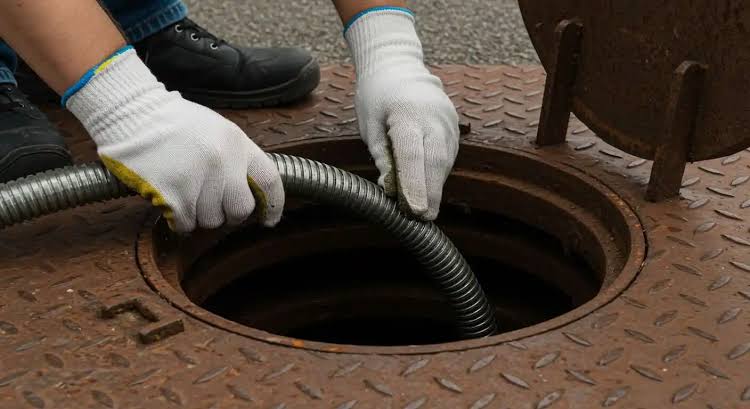
- Clean the main line on a schedule: If your house has had a backup before, schedule a professional camera inspection and cleaning of the main line and sewer lateral before the next wet season or at least once every 12 to 24 months in a trouble-prone home. Verify that the contractor clears the full run, not just the nearest clog. If the line is left with recurring sludge, roots, or standing water, the job was incomplete.
- Inspect for root intrusion and pipe damage: Ask for a sewer camera inspection if trees sit near the lateral, if the home is older, or if sinks gurgle when a toilet flushes. The camera should look for root hairs, offset joints, cracks, corrosion, and a belly, which is a low spot where water pools. If the video shows repeated root entry or a break, cleaning alone is usually only a temporary fix.
- Maintain or install a backwater valve where it makes sense: If your basement fixtures sit below the street sewer invert, a backwater valve can reduce the chance of sewage coming back into the home. Verify that the device is accessible through a cleanout box or pit and can be serviced. If it is buried behind finished flooring with no access, maintenance will be neglected and the valve may fail closed or open.
- Protect against stormwater overload: Make sure roof downspouts, sump pumps, and yard drains are not tied into sanitary sewer lines where local code forbids it. In heavy rain, stormwater can overwhelm combined systems or surcharge sanitary lines. Verify that the sump discharges to a permitted location. If a plumber finds cross-connections, that is a real source of backups.
- Test floor drains and basement fixtures after major rain: Run enough water to check drainage after the first heavy storm of the season. Use 2 to 3 gallons in a floor drain or a sink and watch for slow drawdown, gurgling, or backup odor. Those signs mean the line is not emptying normally and should be inspected before it fails completely.
The part many generic articles leave out is that how prevent future sewage backups your home is mostly about patterns, not one-time fixes. A line that backs up every spring is telling you something different from a line that failed once because of a toy, paper towel wad, or one bad storm. The next step depends on the pattern. Not the panic.
What should I check before the next heavy rain or holiday gathering?
Check the main cleanout, the basement drains, and the sewer route before the time of year when the system is most likely to be stressed. Rain, guests, and extra laundry all increase flow, and that exposes weak points.
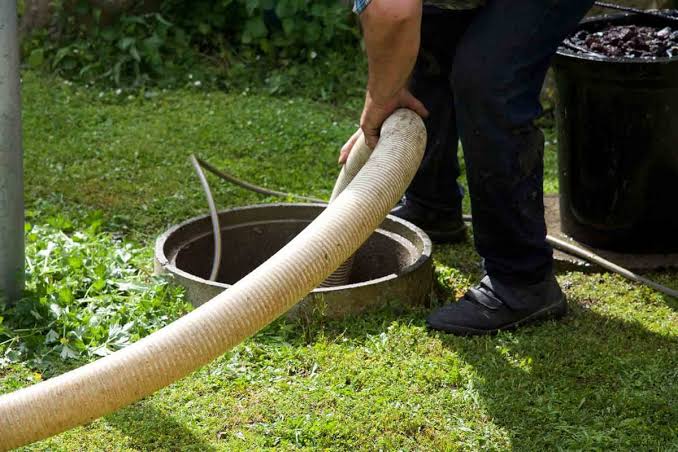
Start at the cleanout if you have one. A cleanout cap should be visible, accessible, and not painted shut. If wastewater was recently removed from the line, the area should not smell like sewage. A strong odor, damp soil, or standing water near the cleanout can mean an active leak or a cracked line.
Then check the fixtures that sit lowest in the house. A floor drain that has dried out may let sewer gas into the basement, which is not the same as a backup but is often a clue that the trap seal is gone. Pour about 1 gallon of water into floor drains every month to maintain the trap seal if the drain is in regular use. If the water disappears immediately or comes back up, the trap or line may be compromised.
I would also look at what is happening outside. Large trees within roughly 10 feet of the sewer route are not automatically a problem, but root intrusion becomes much more likely where old clay tile or aging joints are present. If your home is older than the 1980s and the line has never been camera-inspected, consult a plumber or sewer contractor about treating the lateral as suspect. Better safe than sorry.
Do not ignore the municipal side. If several houses on the block had backups after a storm, the main may have been surcharged. In that situation, your priority is documenting the date, time, and fixtures affected and reporting it to the utility. A private repair will not stop an overloaded public main.
When should I stop trying to prevent it myself?
You should stop the DIY approach and get qualified help when the symptom points to a line failure, a public sewer issue, or a hazard that cleaning cannot solve. I’m not saying this because plumbing is mysterious; I’m saying it because the wrong fix wastes money and increases contamination risk.
Multiple fixtures back up at once: This usually means the main building drain or sewer lateral is blocked — Stop using water and arrange a camera inspection and main-line cleaning.
Backup returns after snaking the line once: There is likely a deeper obstruction, root mass, sag, or collapse — Do not keep forcing a cable; get a video inspection and repair estimate.
Wastewater appears in a basement floor drain during heavy rain: Your home may need a backwater valve or the municipal main may be surcharged — Document the event and have the line evaluated for a valve and for cross-connections.
The line has a strong sewer odor but no visible backup: That can mean a dry trap, a vent issue, or a leak — Refill traps first, then inspect; if odor persists, stop guessing and have the system checked.
There is a known pipe break, offset joint, or collapse on camera: Cleaning is temporary and the pipe will keep failing — Plan for repair or replacement of the damaged section.
You are dealing with sewage near electrical equipment, finished walls, or insulation: This is a contamination and safety problem, not a drain maintenance task — Keep out of the area and use professional cleanup and repair.
Those are the situations where “just keep the drain open” is the wrong tool. A homeowner can maintain a healthy line, but a broken one needs repair. Simple.
The mistakes people make that lead to repeat backups
The biggest mistake is treating wipes like toilet paper. “Flushable” wipes are a marketing term, not a plumbing standard. They often do not break apart fast enough to move through older lines, especially in a house with a long lateral or partial restriction. The consequence is a soft blockage that catches paper and grease. The correct alternative is to throw wipes in the trash, even if the package says otherwise.
A second mistake is pouring bacon grease, cooking oil, or pan drippings down the sink. Hot water only moves the grease a short distance before it cools and sticks to pipe walls. The result is a narrowing pipe and, eventually, a backup. Use a container, let the grease cool, and discard it. Easy to say, easy to skip.
A third mistake is using chemical drain cleaner as a maintenance plan. Those products can damage older pipes, especially if the line already has corrosion or a partial clog. They may also fail to clear roots, a belly, or a collapsed section. A professional cable or hydro-jet cleaning is more appropriate when the line is physically fouled.
A fourth mistake is ignoring the first warning signs: gurgling, slow tubs, water rising in the toilet when the washing machine drains, or a basement drain that smells like sewage. Those are not minor annoyances. They are early warnings that the line is struggling. The correct alternative is to inspect and clean the line before sewage appears on the floor.
A fifth mistake is sealing up or burying the cleanout during remodeling. I see why people do it: nobody wants an ugly cap in the basement or yard. But if you cannot reach the cleanout in 10 minutes, future maintenance can become expensive and messy. A finished room should still allow service access.
What changes if the house is older, has trees, or sits below street level?
The prevention plan changes in three common edge cases. Older homes often need more aggressive inspection because clay tile, cast iron, and early PVC transitions can hide root intrusion or sagging. If the house predates modern plumbing work, I would treat the sewer lateral as a candidate for camera inspection even if the drains are only “mostly fine.”
Homes with trees near the sewer route should be watched for recurring root entry. Roots do not always mean you need to replace the line immediately. A cutter head or hydro-jet cleaning may restore flow, but if the roots return within months, the joints are failing. At that point, spot repair or replacement is a better use of money than repeated cleanings.
Basement-level fixtures below the street sewer line are the classic case for a backwater valve. That device can save a finished basement, but it has a trade-off: it needs access and periodic inspection, and it does not solve blockages in your own line. If the line is clogged upstream of the valve, wastewater will still stop moving. In other words, the valve is protection, not permission to ignore maintenance.
If your home is on a combined sewer area or in a flood-prone neighborhood, storm events can overwhelm a line that works fine in dry weather.