Last updated: September 10, 2026
Key Takeaways
- The first 30 minutes are about preventing a larger contamination footprint.
- A 24-hour delay in a cool basement is not the same as 24 hours in a hot, enclosed laundry room.
- You should stop immediately when the backup crosses into contamination, structure, or electrical risk.
- A better practice is heavy-duty bags, double-bagging when needed, and keeping waste contained until pickup or contractor removal.
A sewage backup becomes an emergency cleanup job the moment contaminated water leaves the drain system and reaches floors, walls, fixtures, or anything porous in the home. That is the line. This article explains when sewage backup becomes an emergency cleanup job, what to do in the first 30 minutes, and when to call a professional. Seeing black water, smelling strong sewer gas, or finding backup in more than one drain? I’d treat that as an immediate cleanup and containment problem, then call a licensed plumber or sewage remediation professional. The EPA and CDC both advise rapid response to wastewater and contaminated-water exposure.
What this applies to, and what I assume you already know
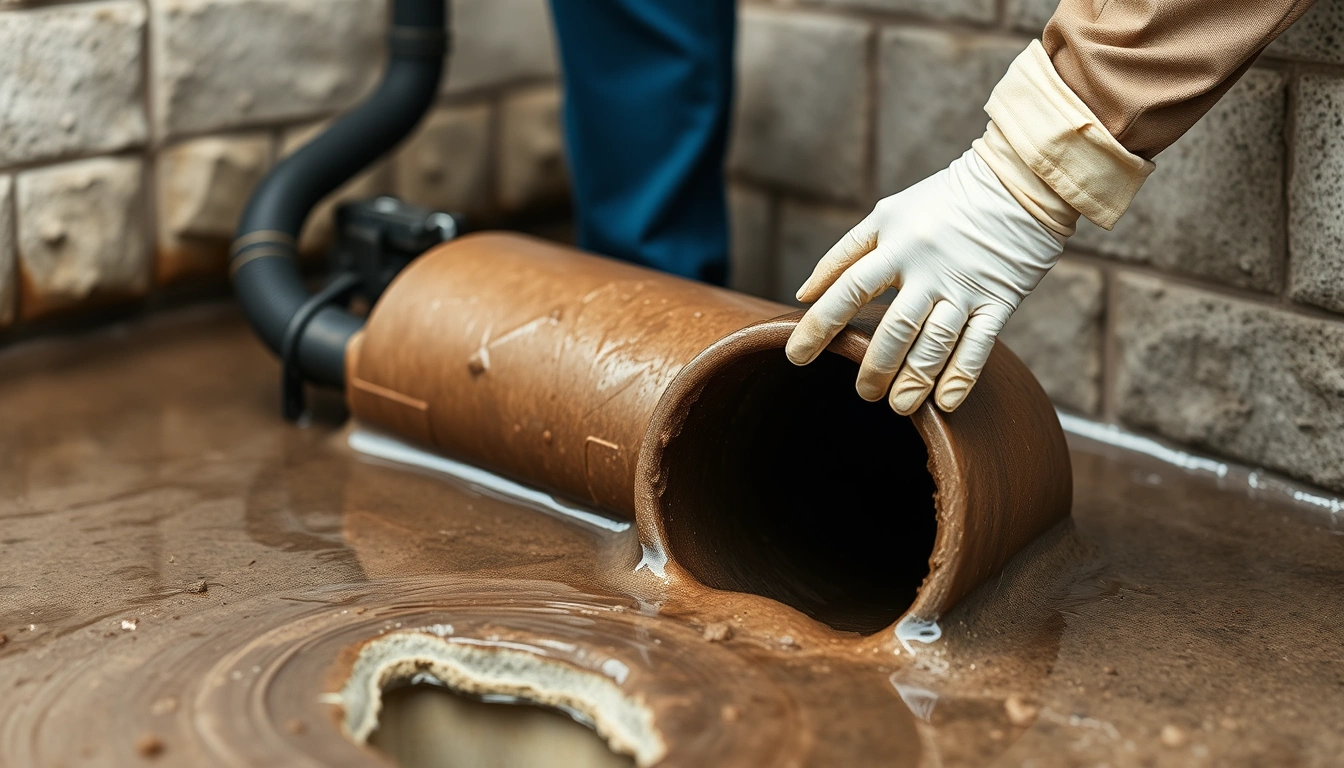
Homeowner, renter, landlord, or property manager — this applies to you if wastewater has come back up through a toilet, floor drain, shower, tub, or basement cleanout. Since this is about when sewage backup becomes an emergency cleanup job, I’m assuming you already know the obvious part: don’t stand in the water any longer than you have to, and don’t keep flushing a backed-up fixture just to “see if it clears.” Simple enough. The real question is whether you’re dealing with a small, boxed-in spill or a true emergency cleanup.
And I want to be blunt about who should not try to handle the whole thing themselves. Any lot of standing water, electrical hazard, sewage in a finished basement, septic system failure, or contamination that has reached HVAC returns or ductwork takes this out of “simple mop-up” territory. That’s the point where I’d stop improvising and bring in a licensed plumber plus a water damage or sewage remediation crew. Not drama. Just reality — contamination, hidden moisture, and materials that trap waste.
Usually, the mess is bigger than it first looks. A surface that seems “mostly dry” can still have sewage under baseboards, inside carpet pad, or in wall cavities. Nasty stuff. The U.S. Environmental Protection Agency’s mold and moisture guidance matters here because the cleanup window is short; wet materials left in place for roughly 24 to 48 hours can create a second problem even after the sewer issue is fixed. I’d keep the CDC’s sanitation guidance in mind too for any exposure to wastewater.
How do I tell if it’s an emergency cleanup job?
It is an emergency cleanup job if the backup is contaminated, spreading, or affecting more than one building system. Don’t start with smell. Start with location: where did the sewage go, and what did it touch? When sewage backup becomes an emergency cleanup job, the answer usually comes down to contamination plus spread.
A toilet overflow from a failed flush is not the same as a sewer main backup. That difference matters. A sewer main backup often shows up as water coming up from the lowest fixture first — commonly a basement floor drain, shower, or toilet on the ground floor — and then appearing in other drains when water is run elsewhere in the house. That pattern points to a blockage beyond one fixture.
Specifically, I’d treat the following as emergency signals, but still consult a plumber or remediation professional rather than relying on appearance alone: visible solids in the water, dark or gray-brown water, multiple drains backing up, bubbling in a toilet when another fixture drains, or a cleanout cap that is leaking. If sewage has reached carpet, drywall, insulation, cabinets, or subfloor, cleanup is no longer about removing puddles. Porous materials can soak up contamination, and that’s what turns a small spill into a demolition and sanitation job.
You may hear restoration crews call it “Category 3 water,” meaning grossly contaminated water from a sewage source or another unsanitary source. That term comes from water-damage industry standards used in restoration work, including the IICRC S500, which is helpful as a restoration guide but does not replace a site-specific professional assessment. Translation: this isn’t cosmetic. It means containment, removal of contaminated materials, and sanitation steps that go well beyond a regular wet-vac job.
A useful rule: if you would not put a bare hand in it, I wouldn’t call it simple cleanup. If you can smell sewer gas in multiple rooms, there may also be a venting or trap-seal issue. So the problem may not even stay on the floor.
What I would do in the first 30 minutes
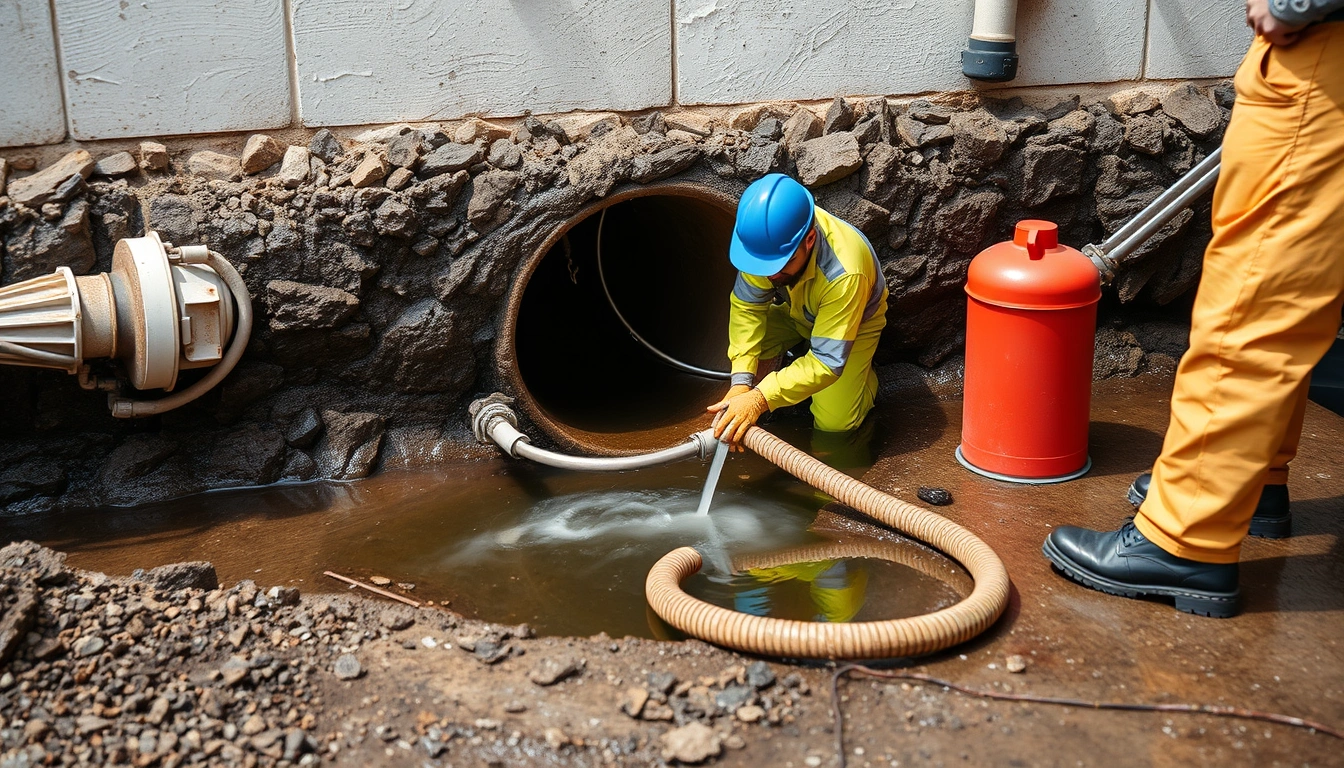
I’d focus on safety, source control, and containment before any cleaning. Speed matters, yes, but the wrong speed makes the mess larger, and when sewage backup becomes an emergency cleanup job, those first 30 minutes carry the most weight.
- Stop water use immediately. Turn off washing machines, dishwashers, and any faucets feeding the drainage system. Verify that no new water is entering the overflow. If fixtures keep backing up after water use stops, the blockage is likely downstream, not just in one toilet or sink.
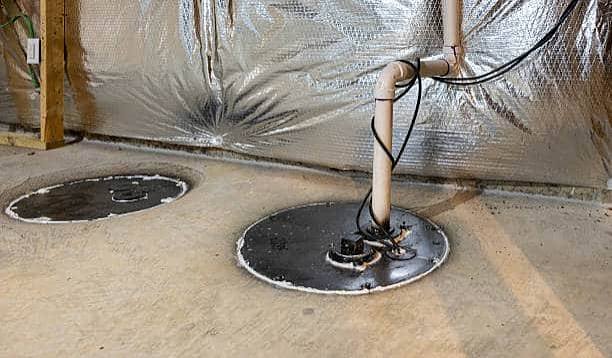
- Shut off electricity to affected areas if water is near outlets, cords, or appliances. Use the breaker panel, not a wall switch. Verify that lights, outlets, and sump or floor-drain equipment in the wet area are de-energized. If you cannot reach the panel safely, treat the area as a potential shock hazard and consult a qualified electrician or emergency responder.
- Keep people and pets out of the contaminated zone. Close doors and block the area off with tape or a barrier. Verify that no one is tracking sewage into clean rooms. If sewage is already in a hallway or stairwell, the contamination path has widened.
- Open exterior windows only if it is safe to do so. Ventilation can help reduce odor, but it does not sanitize anything. Verify that airflow is moving out of the home rather than through contaminated rooms. If opening windows would spread aerosolized splash into adjacent areas, skip it.
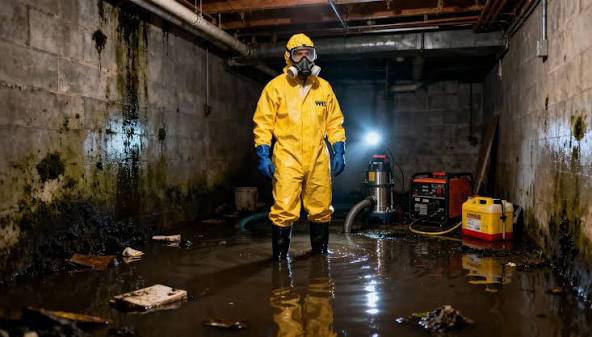
- Protect yourself before touching anything. Wear waterproof gloves, boots, eye protection, and a mask that fits snugly; a disposable N95 is better than a loose cloth covering for splash and aerosol control. Verify that skin is covered and no bare hands contact contaminated surfaces. If you have cuts, asthma triggered by odor, or cannot avoid touching contamination, stop and get help.
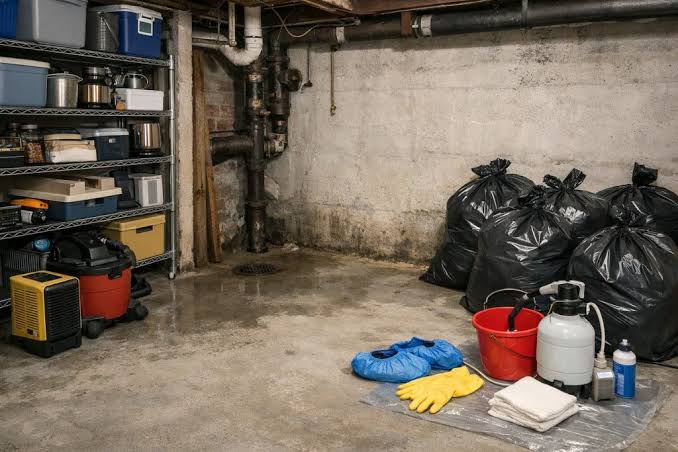
- Remove dry, nonporous items first. Lift trash cans, plastic bins, metal furniture, and sealed containers out of the area. Verify that you are not carrying wet sewage through clean rooms. If an item is upholstered, paper-based, or visibly soaked, leave it for disposal or professional evaluation.
- Document the damage before major removal. Take photos of water lines, affected rooms, and damaged contents from several angles. Verify that the images show the source, the spread, and the materials involved. If you are filing an insurance claim, documentation matters before anything is thrown away.
- Call a plumber or sewer contractor if the backup is still active after you stop water use. If wastewater continues to rise, the obstruction is still present. Verify whether the blockage is in the branch line, main line, or sewer connection. If you hear gurgling in multiple fixtures, do not keep testing by running more water.
The first 30 minutes are about preventing a larger contamination footprint. What I would not do is start scrubbing walls or running a household fan across the room without containment. That can spread droplets and odor into cleaner areas and push moisture deeper into materials.
Can I clean sewage backup myself?
I’d only do it myself if the backup is small, clearly contained, and limited to hard, nonporous surfaces that can be disinfected and dried quickly. A tiny amount of wastewater on tile near a toilet is one thing. Sewage on carpet, drywall, insulation, or finished wood is another. That second case usually stops being practical for a homeowner, and when sewage backup becomes an emergency cleanup job, that line matters.
People often mix up “I can see the mess” with “I can reach all the contamination.” Not the same thing. Sewage wicks under trim, into seams, and behind appliances. Once that happens, the cleanup includes removal, sanitation, drying, and often disposal of contaminated materials. The IICRC S500 standard, which guides water damage restoration, is useful here because it treats sewage as a controlled contamination problem, not a housekeeping issue.
If you do proceed on a small hard-surface spill, I’d use a disinfectant labeled for sewage or fecal contamination and follow the label exactly. The label is the law in the U.S. for disinfectant use. For label guidance, see the EPA’s disinfectant directions and CDC sanitation advice. Wear gloves, keep children and pets away, and bag disposable towels in sealed trash bags. Don’t mix bleach with ammonia or any other cleaner; that creates toxic gas. Don’t rely on a quick rinse. If the surface is porous, a rinse is not enough.
What people usually miss is the hidden material layer. Vinyl plank with gaps, grout lines, unfinished concrete cracks, and the bottom edge of drywall all behave differently. Concrete can often be cleaned and disinfected, but grout, baseboard MDF, carpet pad, and particleboard usually do not give you that option. If a room has a finished basement floor, I’d expect more material loss than the surface view suggests.
The trade-off is plain: doing part of the cleanup yourself can save money, but only if you stop at the right line. Cross into porous materials or wider spread, and you may spend a weekend making a larger restoration bill. That math stops working fast.
When should I stop and call for qualified help?
Stop immediately when the backup crosses into contamination, structure, or electrical risk. That’s the point where the wrong move costs more than the call-out fee.
Multiple fixtures are backing up: This means the obstruction is likely in the main line or sewer connection — stop using water and call a plumber or sewer contractor.
Sewage reached carpet, pad, drywall, or insulation: These materials hold contamination and moisture — remove access and arrange professional cleanup or demolition.
There is water near outlets, appliances, or the breaker panel: Electrical shock risk is real — shut off power only if you can do it safely, then call for help.
You smell strong sewer gas throughout the house: This can signal a venting issue, dry trap, or severe blockage — do not keep testing drains; have the system inspected.
The source is a septic tank or field failure: This is not a simple plumbing blockage and can involve the drain field or tank level — stop use and get the septic system evaluated.
The backup is from a floor drain or basement cleanout and keeps returning: That often means the problem is downstream of the fixture trap — a plumber needs to clear and inspect the line.
Someone in the home is immunocompromised, elderly, or very young: Exposure risk is higher and cleanup tolerance is lower — keep them away and use qualified remediation sooner rather than later.
Because that vulnerability raises the stakes, I’d be especially careful if anyone in the home is immunocompromised. If the water is more than a few square feet or has entered building materials, consult a qualified remediation professional rather than treating it as a DIY cleaning project. A technician with the right containment, extraction, and disposal steps is the right tool for that job.
The mistakes people make, and what they cost
The biggest mistake is flushing or running water “to see if it clears.” That usually makes the overflow worse and spreads contamination into another room. The correct move is to stop all water use until the blockage is resolved.
Another mistake is pulling out wet carpet too slowly. Carpet and pad can soak up wastewater fast, and every extra hour raises the odds of odor, staining, and microbial growth. If carpet has been in contact with sewage, I’d consult a remediation professional and treat it as a removal decision, not a cleaning decision. Honestly, that’s where a lot of DIY plans go sideways.
A third mistake is using a household steam cleaner or wet vacuum without containment. That can aerosolize contaminated residue and drive moisture into seams and baseboards. The better alternative is proper extraction, disposal, and disinfecting with products labeled for the job.
A fourth mistake is believing that bleach alone “fixes” sewage damage. Bleach can disinfect hard, nonporous surfaces when used correctly, but it does not repair hidden moisture, replace soaked porous materials, or clean under trim. The right alternative is source removal first, disinfection second, and drying third.
A fifth mistake is ignoring structural moisture because the floor feels dry. If the subfloor, wall cavity, or lower cabinet area is still wet, damage continues unseen. The better approach is moisture measurement with a meter, or at least checking for swelling, soft spots, and lingering odor over the next 24 to 48 hours.
I also think people underestimate disposal. Bagging contaminated material and putting it in the trash without sealing and labeling can spread the mess to hallways and collection points. Heavy-duty bags are the better call; double-bag when needed, and keep waste contained until pickup or contractor removal.
What changes in basements, septic homes, and older plumbing
The cleanup plan changes when the backup comes from a basement, a septic system, or old piping. The source and the path are not the same, and that is why sewage backup becomes an emergency cleanup job in some homes faster than others.
In basements, the lowest point usually fails first. A floor drain, laundry standpipe, or basement toilet can overflow before the rest of the home shows a problem. Because basements often include finished walls, carpet, and stored items, I’d expect the cleanup area to be larger than the visible puddle.
In septic homes, a backup can mean the tank is full, the drain field is failing, or a line is blocked by roots or solids. Septic systems are not something I would keep “testing” with more water. The correct move is to stop water use and have the tank and field evaluated. If the tank has not been serviced in years, the backup may point to maintenance, not a one-time clog.
Older plumbing brings a different headache: cast iron scale, cracked clay tile lines, and root intrusion. A line can clear once and fail again because the pipe itself is damaged. If a plumber says the line needs camera inspection, that isn’t overkill. It’s how you find the actual failure point instead of repeating the same emergency.
Humidity and temperature matter too. In a warm room, odor and microbial growth develop faster. A 24-hour delay in a cool basement is not the same as 24 hours in a hot, enclosed laundry room. That’s why I’d move faster on summer backups and in finished spaces.
What a proper result looks like
A good result is not “the smell is mostly gone.” It’s that the source is fixed, contaminated materials are removed, hard surfaces are disinfected, and the area dries without lingering odor or staining over the next 24 to 48 hours. Floors should no longer feel tacky, baseboards should not swell, and drains should flow without gurgling.