Last updated: September 10, 2026
Key Takeaways
- I’d expect the how long sewage cleanup takes in a house or basement timeline to stretch fast after the first 4 to 6 hours.
- Finished basement with carpet or drywall: 2 to 5 days, often longer when demolition is needed.
- Large backup or repeated flooding: 5 to 10 days or more, especially if drying equipment must run continuously.
- In a basement, drying equipment usually has to run 24 hours a day until moisture readings stabilize.
How long sewage cleanup takes in a house or basement usually runs from the rest of the day for a small, cleanable spill to 2 to 5 days when the water has soaked into drywall, insulation, or flooring. Here I’m talking about the time it takes to make the area safe, strip out contaminated material, dry the structure, and keep odor and mold from getting a foothold. If sewage has reached a finished basement, run under baseboards, or sat for more than a few hours, the clock moves quickly. Fast, almost brutally fast.
Who this applies to — and what it assumes you already know
This applies to a homeowner or tenant dealing with a Category 3 “black water” loss: sewage, toilet overflow with solids, or drain backup that contains pathogens and heavy contamination. I’m assuming you already know where the backup came from, that the source has been stopped, and that people and pets can stay out of the area. More than about 10 square feet of contaminated porous material, a ceiling collapse, or sewer gas that makes the space unsafe to enter? Then this stops being a simple cleanup and turns into a structural and health-risk issue.
Because of that, I would not treat this as a do-it-yourself project if sewage reached HVAC returns, wall cavities, finished carpet pad, or electrical outlets. Those situations often need demolition, drying verification, and sometimes licensed electrical or plumbing work before cleanup can even start. The CDC notes that sewage contamination can expose people to bacteria, viruses, and parasites, which is why professional help is often the right call when the loss is widespread or hard to isolate. A small splash on a concrete floor is one thing; sewage wicking 12 inches up drywall or under a floating floor is another. One layer versus four. That’s the real divide.
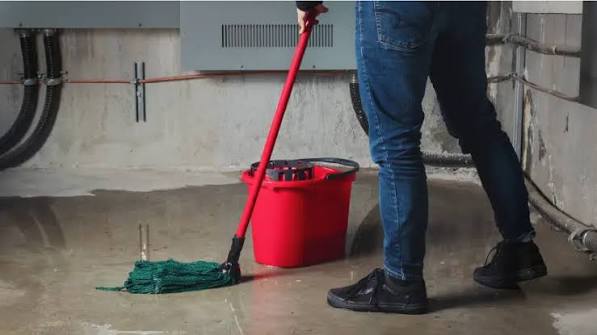
If you’re wondering whether you can just mop it up and disinfect, my answer is no once porous materials are saturated. Sewage cleanup is not a surface-washing job. It is a removal-and-drying job.
How long does sewage cleanup take in a house or basement?
The short answer is hours for a minor, contained spill and several days for anything that got into building materials. A toilet overflow on a tile floor with a quick shutoff can often be cleaned, disinfected, and dried the same day. By contrast, a basement backup that spreads across carpet, pad, drywall, and stored items can take 3 to 7 days for cleanup and drying, and longer if demolition is needed.
Dwell time matters most. That’s the amount of time sewage sat before anyone started cleanup. Begin within an hour or two, and less material absorbs contamination; odor also has less time to settle in. Leave it overnight, and cardboard swells, wood baseplates soak, and wallboard starts acting like a sponge. I’d expect the timeline to lengthen quickly after the first 4 to 6 hours.
A practical way to think about how long sewage cleanup takes in a house or basement is this:
- Small hard-surface spill: 2 to 6 hours for removal, disinfection, and drying setup.
- Basement floor with limited spread: 1 to 2 days if the floor is concrete and walls were not affected.
- Finished basement with carpet or drywall: 2 to 5 days, often longer when demolition is needed.
- Large backup or repeated flooding: 5 to 10 days or more, especially if drying equipment must run continuously.
Two things slow everything down: hidden moisture and hidden contamination. The obvious mess can be gone in a day, but if the moisture content inside framing or subfloor is still elevated, the work is not finished. Drying without measurement is guesswork. A moisture meter reading, compared against a dry area in the same room, shows whether the structure is still releasing water. If the numbers flatten out for a day, something is usually trapped behind a surface or inside a cavity. Sneaky stuff, honestly.
What has to happen before the clock starts?
The cleanup clock starts only after the source is stopped and the area is made safe enough to work in. That means shutting off the fixture, stopping the backflow, or clearing the drain line before anyone begins removal. If sewage is still entering the room, nothing else matters.
Containment comes first. I would isolate the space with 6-mil polyethylene sheeting if the job is spreading aerosolized droplets into nearby rooms, and I would keep traffic out. Then I’d remove standing liquid and solids, bag contaminated debris, and decide what porous materials are already lost. Carpet pad, upholstered furniture, particleboard, and swollen drywall generally do not dry back to a sanitary state once sewage has soaked in.
A decent cleanup plan usually includes a disinfectant labeled for sewage or biohazard use, mixed exactly to the manufacturer’s directions. More chemical is not better. A weak solution leaves contamination behind; an overly strong one can damage finishes and irritate the lungs. I prefer to think in terms of contact time: the surface has to stay visibly wet for the period on the label, often several minutes, or the disinfectant may not do its job.
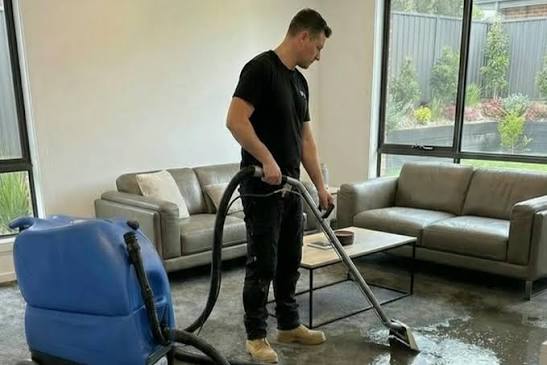
Airflow matters too, but not the kind that blows contaminated mist through the house. Dehumidifiers and air movers should be positioned to pull moisture out of the affected room, not to spread it. In a basement, I’d expect drying equipment to run 24 hours a day until moisture readings stabilize.
How do you clean sewage in a basement step by step?
Remove contamination first. Then dry the structure. Then verify that the wet materials are actually dry. That is the sequence I’d use.
- Stop the source and cut power to affected circuits. Shut off the water supply, close the sewer cleanout if appropriate, and turn off breakers feeding outlets or appliances in the wet zone. Verify that no water is still entering and that no receptacle has standing water. If sewage is still flowing or you see sparking, the problem is not cleanup; it is emergency response.
- Put on proper protection before entering. Use gloves, boots, eye protection, and a respirator rated for nuisance and bioaerosol exposure if the area is enclosed. Verify that skin, eyes, and lungs are covered. If the smell is strong enough to make breathing difficult or you have to cough repeatedly, stop and ventilate before proceeding.
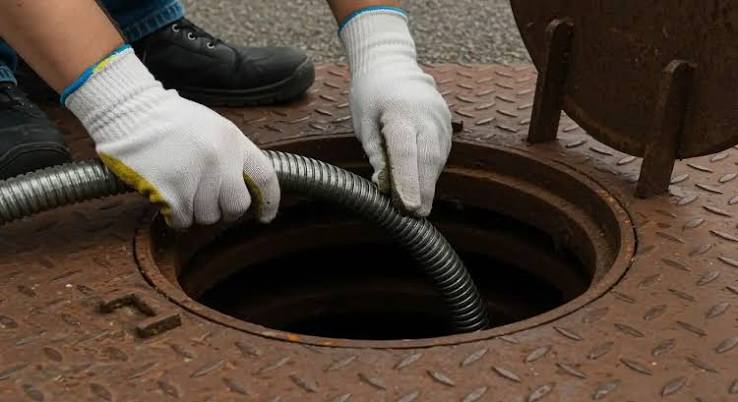
- Remove standing liquid and solids immediately. Pump, wet-vac, or scoop out the sewage and bag solids in 6-mil trash bags. Verify that the floor is no longer glossy with liquid. If the water keeps returning from a drain, the line is still backing up and the cleanup will fail until the plumbing issue is fixed.
- Sort materials into salvageable and unsalvageable. Pull out carpet pad, saturated drywall, fiberboard, cardboard, and any insulation that touched the sewage. Cut drywall at least 12 inches above the visible water line if wicking is present. Verify that all porous material in the contamination zone is physically removed. If material feels damp a day later, it was not removed far enough.
- Wash hard surfaces with detergent first. Scrub concrete, tile, framing, and salvageable furniture with a detergent solution before disinfecting. Verify that visible soil is gone, because disinfectants work poorly through grime. If the cloth or brush still picks up brown residue, repeat the wash step.
- Disinfect with the correct dwell time. Apply a product labeled for sewage or hospital-grade disinfection, following the label’s dilution and contact time. Keep the surface wet for the full time on the label, which is often several minutes. Verify that the surface remains wet, not just damp at the start. If it dries early, reapply or you have not met the contact time.
- Set drying equipment immediately. Run dehumidifiers and air movers 24/7, with air directed across surfaces rather than blasting into cavities. Verify that the room temperature stays stable and that humidity drops rather than rebounds each day. If condensation forms on cool walls or ducts, airflow or dehumidification is inadequate.
- Measure drying, don’t guess. Check moisture in wood framing, subfloor, or drywall with a moisture meter and compare it to an unaffected area nearby. Verify that readings trend downward over 24-hour periods. If readings stall, hidden wet material remains behind a wall, under flooring, or in insulation.
That sequence is why a “same-day” cleanup can still turn into a multi-day project. If drywall removal is needed, you have one timeline. If sewage stayed on bare concrete and never reached finishes, the work may end much sooner. A few inches of wicking can change everything.
What are the mistakes that make sewage cleanup take longer?
The mistakes that add the most time are the ones that hide moisture, spread contamination, or leave behind material that cannot dry. I see the same five again and again.
Leaving carpet pad in place slows drying for days and usually keeps odor alive. The right move is to remove the pad, not just clean the carpet face.
Wiping surfaces before removing solids smears contamination into grout lines, baseboards, and screw holes. The right move is to pick up solids first, then wash.
Using fans without dehumidification can move air around while humidity stays too high, especially in a basement. The right move is to pair air movement with dehumidification and keep the equipment running continuously.
Skipping lower wall and baseplate inspection leaves hidden wet wood behind fresh paint or new drywall. The right move is to open affected walls to at least the visible water line plus the wicking zone, often 12 to 24 inches above the mark.
Trying to save swollen particleboard or MDF wastes time and usually leads to later odor and breakage. The right move is to discard those materials once contaminated.
Ignoring the drain or sewer line problem guarantees a repeat. If the line is still blocked or the sewer is surcharging, cleanup is pointless until the plumbing issue is corrected.
The trade-off is plain: the more you try to preserve cheap porous material, the longer the job takes and the higher the chance you’ll have to do it again. I’d rather lose a section of baseboard than spend a week chasing a smell through hidden cavities. That smell can be a ghost in the walls.
When should you stop and change course?
Stop the standard cleanup approach when contamination has moved beyond surface materials or when the space cannot be made safe quickly. These are the main cases.
Sewage reached outlets, breaker boxes, or appliance connections: This means electrical shock or fire risk — turn off power at the main if needed and bring in qualified help before entering the area.
More than one room is affected: This means the loss is not isolated — expect hidden migration under flooring and into wall cavities, and plan for demolition and extended drying.
The backup came through multiple drains at once: This usually points to a main sewer problem — stop cleanup until the plumbing obstruction or line failure is corrected.
Drywall, insulation, or subfloor is visibly soaked: This means porous building materials are contaminated — remove them rather than trying to sanitize them in place.
You smell sewer gas strongly or feel lightheaded: This means ventilation is inadequate or gases are present — leave the area, ventilate from a safe location, and do not continue until the air is acceptable.
The source is from a floor drain connected to a restaurant, workshop, or commercial line: This can involve grease, chemicals, or heavier solids — the cleanup may need a different disposal and decontamination plan than a simple toilet overflow.
If any of those conditions are present, the question is no longer “how long will cleanup take?” but “how much has to be opened, removed, and dried before the structure is safe again?” That shift can add several days.
How long does it take if the basement is finished?
A finished basement usually takes longer because the walls and floor hide moisture. I’d expect 2 to 3 days at the absolute low end for a small, contained incident and closer to a week if carpet, drywall, trim, or built-ins are involved. Finished spaces trap water in toe kicks, behind trim, in insulation, and under laminate or vinyl plank.
Capillary wicking is the technical issue here. Water climbs porous material above the visible water line. That’s why a baseboard can look fine while the drywall behind it is still wet. When I say finished basement, I assume there may be a drop ceiling, batt insulation, and electrical runs that need inspection before drying can be called complete.
Bare concrete changes the math. Concrete itself can hold moisture, but it usually dries faster than wood and insulation once the surface contamination is removed. If the floor is sealed concrete and the water never reached wall cavities, the job may finish in one day plus drying time. If the floor is carpet over pad, the cleanup can jump to several days even when the visible water seems minor.
Odor is the stubborn part. It can linger after the visible mess is gone. That does not automatically mean sewage remains, but if odor persists after removal and disinfecting, I’d look for missed porous material or wet hidden framing.
What should a realistic timeline look like?
A realistic timeline is usually same day for emergency removal, 1 to 3 days for drying setup and demolition, and a final day for verification. I would not promise a basement back to normal in a few hours unless the water stayed on hard, nonporous surfaces and the plumbing problem was corrected immediately.
A simple, contained case might look like this:
- Hour 1 to 2: stop the source, cut power if needed, remove standing sewage.
- Hour 2 to 6: remove damaged porous material, wash, disinfect.
- Day 1 to 3: dry the structure with equipment running continuously.
- Day 2 to 5: verify moisture levels, replace removed materials if the structure is dry enough.
A more serious finished-basement case can stretch to a week or more because demolition and drying happen before any rebuild begins. That is not a failure of cleaning; it is the normal sequence when sewage has entered the building structure.
If you need one rule, use this: the cleanup time is about the how long sewage cleanup takes in a house or basement timeline, and the more porous material that got wet, the longer it takes to make the space safe again.